
Soil Health
Technical resources and educational opportunities to help small farmers, gardeners, and soil conservationists best care for soil health, plant health, and water quality
- Our Work
- Workshops
- Demonstration Garden
- Soil Health
- Vegetables
- Cover Crops
- Crop Rotation
- Mulching
- Nutrient Management
- Tarping
- High Tunnels
- Low Tunnels
- Irrigation Water Management
- Native Plantings and Insect Resources
- Soil Testing
- Soil Contamination
- Raised Beds
- Conservation Practice Tools
- Conservation Material Sourcing
- Conservation Programs
- Additional Resources
- Acknowledgements
Our Work
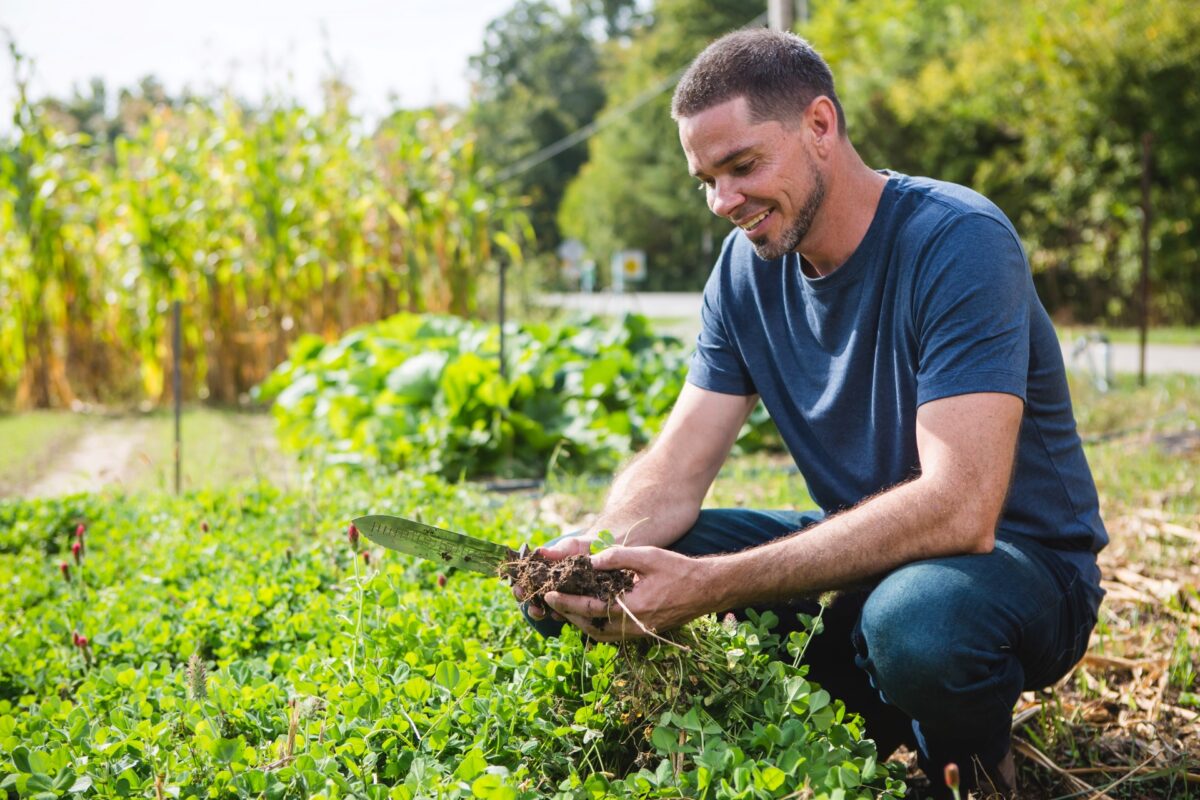
Our Marion County Soil and Water Conservation District’s mission is to help people grow food in a way that benefits soil health, plant health, and water quality. We provide technical assistance, conservation practice resources, demonstrations, and educational opportunities to small farmers, gardeners, and conservation professionals.
This website contains resources developed by the Marion County Soil and Water Conservation District, Indiana USDA-Natural Resources Conservation Service, and Indiana Small Farm Conservation as well as links to important resources from organizations, extension services, and experienced growers.
We also support the USDA Natural Resources Conservation Service and the Indiana Conservation Partnership through conservation planning assistance, training, and technical resource and tool development for small-scale conservation practices.
This work is supported by the Marion County Soil and Water Conservation District, the USDA Natural Resources Conservation Service, Clean Water Indiana, and North Central SARE. This material is based upon work that is supported by the the National Institute of Food and Agriculture, U.S. Department of Agriculture, under agreement number 2024-38640-42989 through the North Central Region SARE program under project number ENC24-233. USDA is an equal opportunity employer and service provider. Any opinions, findings, conclusions, or recommendations expressed in this publication are those of the author(s) and do not necessarily reflect the view of the U.S. Department of Agriculture.
Contact: Kevin Allison, Soil Health Specialist, Marion County SWCD
Join our newsletter
Contact

Demonstration Garden
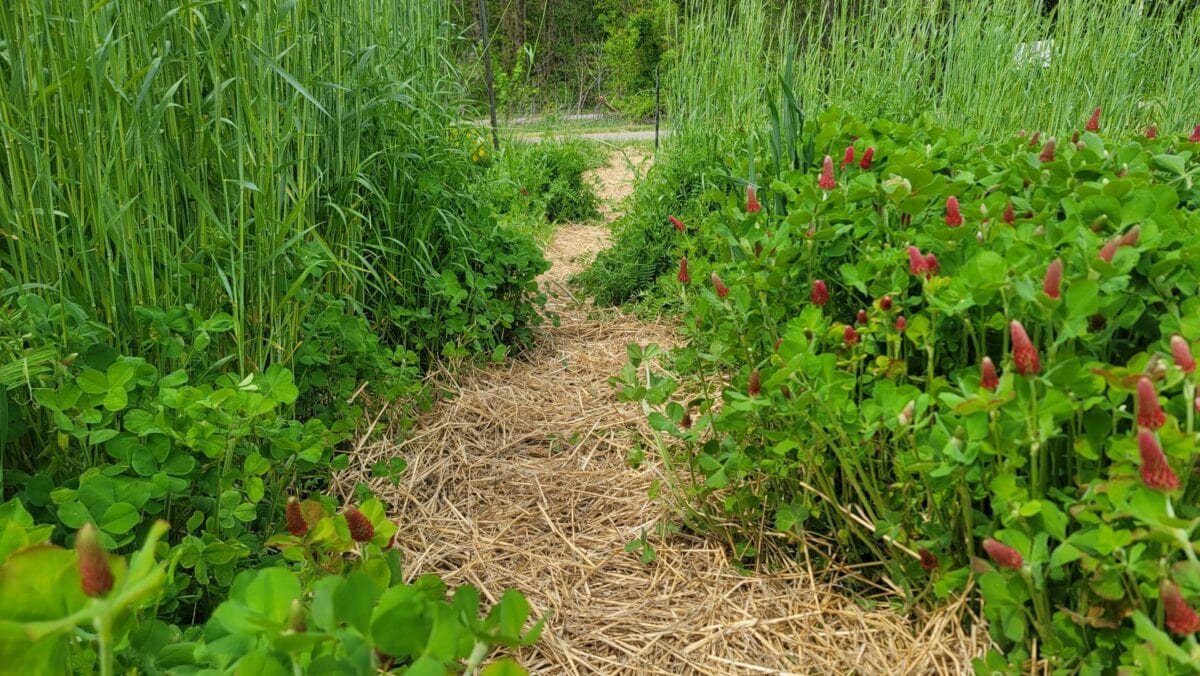
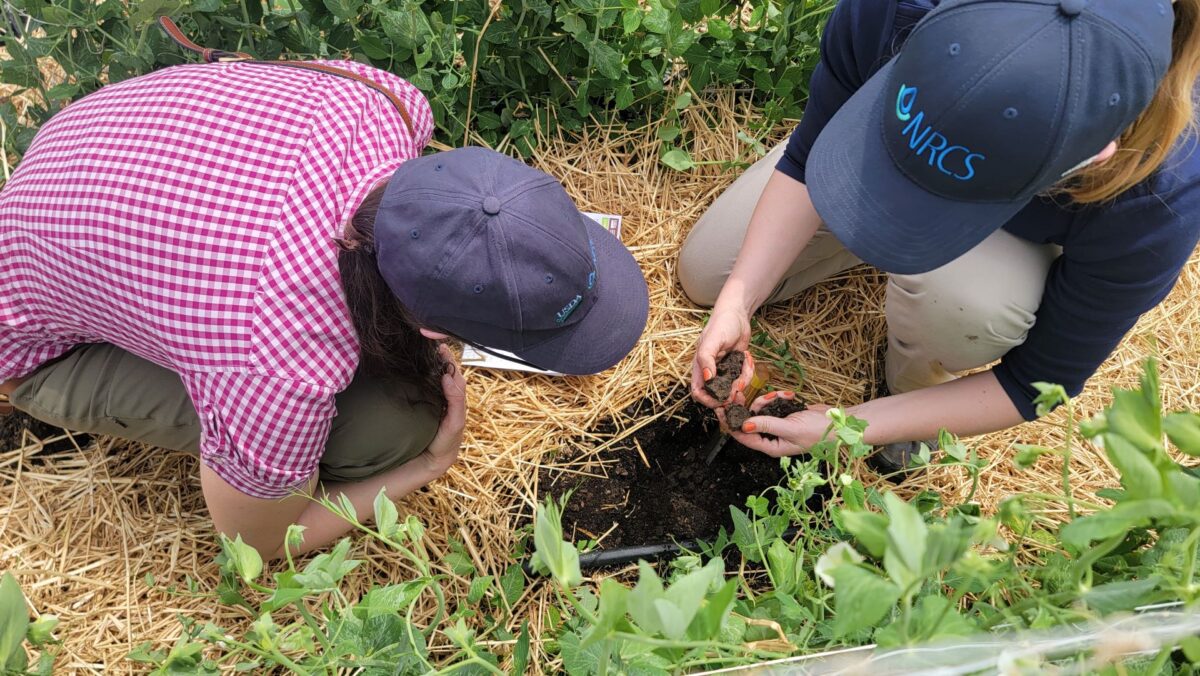
Our educational vegetable garden incorporates crop rotation, cover crops, mulching, minimal soil disturbance, nutrient management, and wildlife plantings for beneficial insects and pollinators.
Contact us if you wish to schedule a garden visit or tour and stay connected with our newsletter and events page for hands-on workshops. The garden is located along Eagle Creek Trail within the Mayor’s Garden at West 56th Street and Reed Road in Indianapolis.
See this MAP for directions.
Soil Health
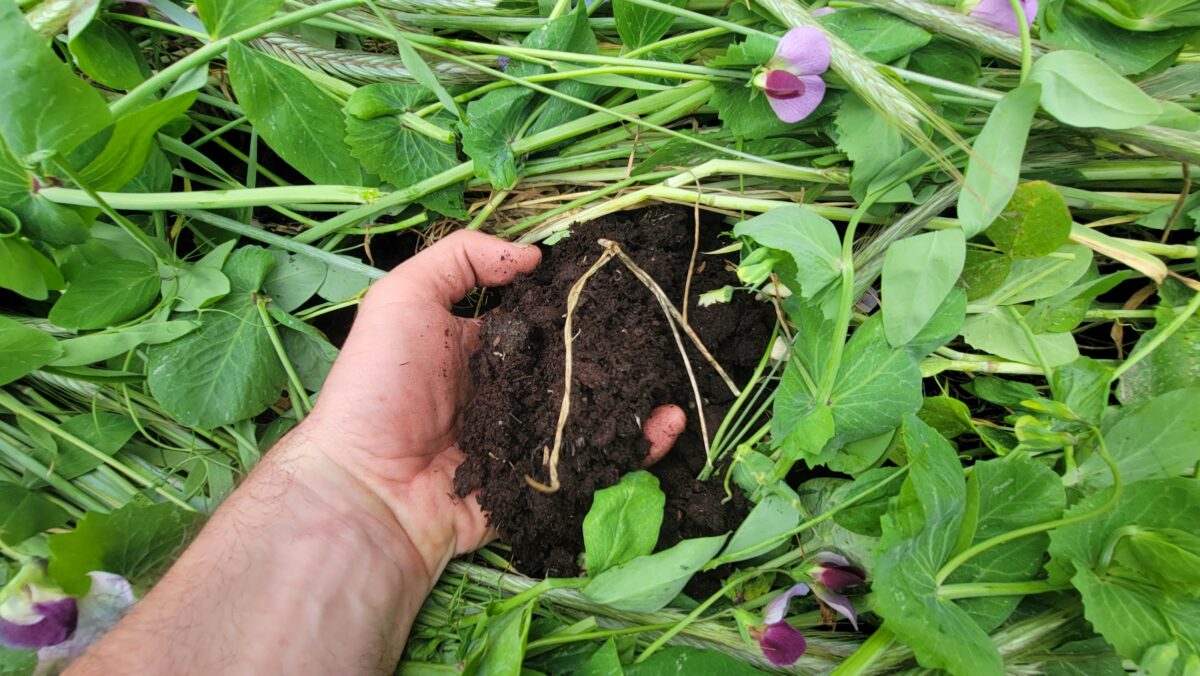
What is soil health?
Soil health is the continued capacity of soil to function as a vital living ecosystem that sustains plants, animals, and humans. Healthy soil not only resists degradation but also improves our environment, making it a cornerstone of sustainability and vitality.
Why is soil health important?
Why is soil health important?
Soil health is fundamentally important for regenerative agriculture because the condition of soils, shaped by management practices affect:
- Erosion Control: minimizes runoff and promotes water infiltration, significantly reducing the risk of soil erosion.
- Nutrient Accessibility: Healthy soil increases the availability of essential nutrients, resulting in better quality food produce and enhanced food security.
- Plant Vitality: By fostering healthy soil, we nurture robust plants that yield high-quality food, ultimately contributing to the well-being of communities.
- Growth Conditions: Optimal soil health creates ideal conditions for germination, seedling establishment, vegetative reproduction, and root development.
- Water Protection: Healthy soils serve as natural filters, safeguarding water quality and promoting a balanced ecosystem.
- Air Quality: Healthy soils can resist erosive forces, helping to improve air quality by minimizing dust and particulate matter.
- Water Availability: Healthy soil enhances the retention of water from rainfall and snowmelt, ensuring better plant growth vital for food production and ecosystem balance.
- Beneficial Organisms and Pest Management: diverse beneficial microbes outcompete pathogens and improve pest resistance and plant health.
Soil health-centric agriculture can lead to increased organic matter, more diverse soil organisms, reduced compaction, and improved nutrient storage and cycling. Healthy soils retain more water and are less susceptible to runoff and erosion, meaning more water will be available for crops. Healthy soil provides a buffer against extreme weather conditions, whether it be too hot or too dry. By following principles and adopting practices that prioritize soil health, we can significantly improve and sustain healthy agricultural soils.
Soil Health Principles are at the foundation of building healthy soils.
- Minimize Disturbance
- Microbiology, nutrient cycling, root growth, water absorption, carbon sequestration, reduced erosion
- Maximize Soil Cover
- Protection from wind and water erosion, water infiltration, soil habitat, organic matter
- Maximize Continuous Living Roots
- Rhizosphere, microbial food from plant exudates, reduce compaction
- Maximize Biodiversity
- Microbial diversity, plant diversity, disease and pest prevention, soil function
Conservation Practices help farmers apply soil health principles to the land.
- Crop Rotation
- Compost
- Cover Crops
- Mulching
- No-till & Reduced-till
- Nutrient Management
- Irrigation Management
- Pest Management Systems and Tarping for Weed Control
- Wildlife and Native Plantings for Beneficial Insects and Pollinators
- And more
The Marion County SWCD Soil Health webpage contains resources related to the conservation practices to encourage their adoption and successful implementation.
Adapted from USDA NRCS Soil Health TN 470-19 (PDF)
Vegetables
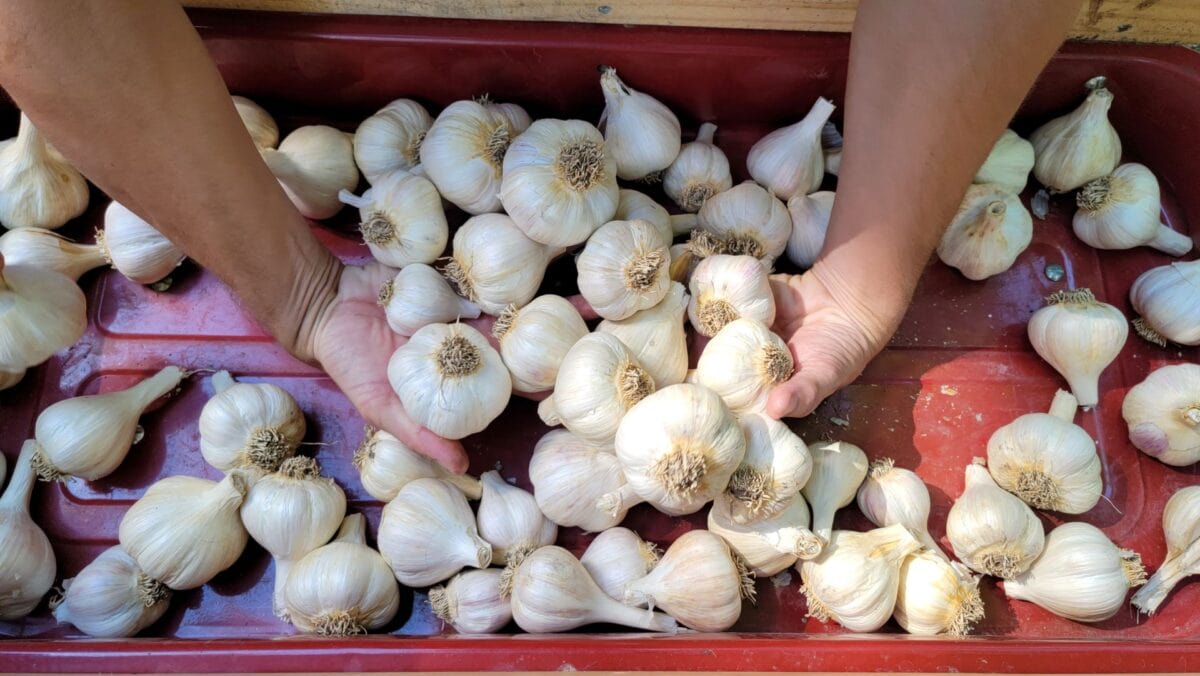
Ready to grow vegetables? Here are some of our favorite resources.
For tips and guidance on how to use soil health practices in gardening, see the relevant section on the SWCD Soil Health page, such as cover crops, mulching, and nutrient management.
Vegetable Resources
- Purdue Extension Gardening Bulletins – These gardening documents contain a wealth of information about vegetables, including the optimal times to plant them in Indiana.
- Midwest Vegetable Production Guide – This annually-revised guide is a summary of currently suggested fertility, horticultural, and pest management techniques and tools for commercial vegetable growers.
- ISDA & Purdue University – Indiana Fruit and Vegetable Harvest Calendar (pdf)
Videos about Starting a No-Till Vegetable Garden
- No-Till Growers – How to Start a No-Till Garden from Scratch
- No-Till Growers – Developing a No-Till Garden from Scratch
- No-Till Growers – From Pasture to Production
Cover Crops
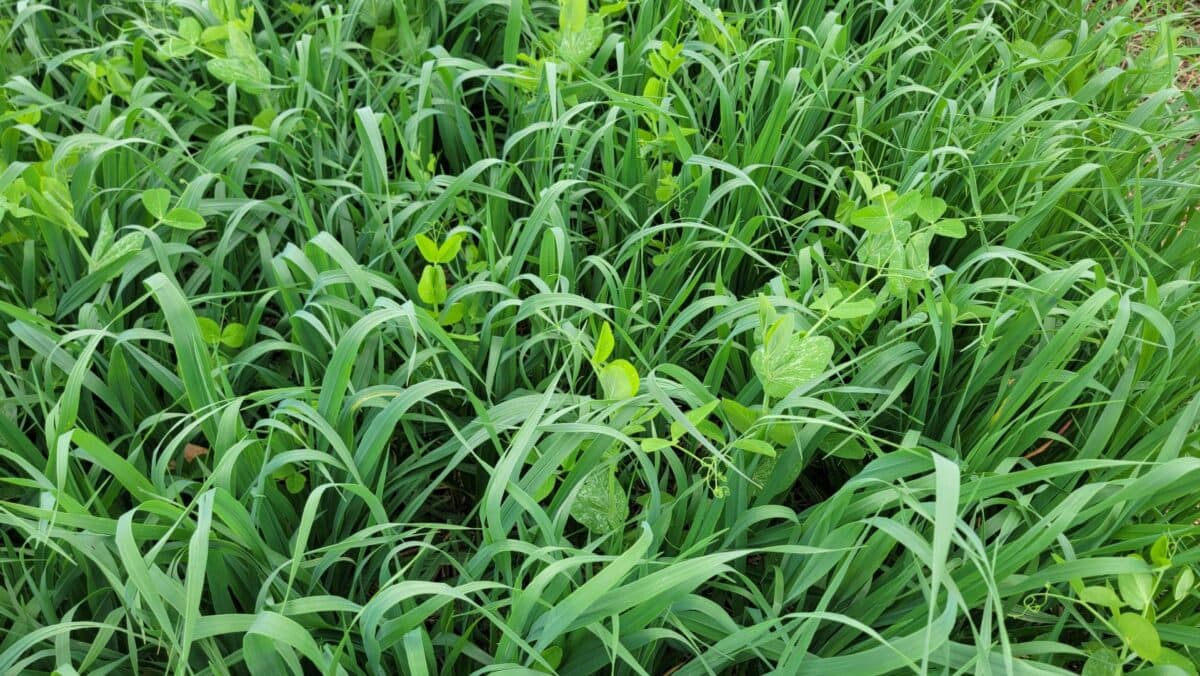
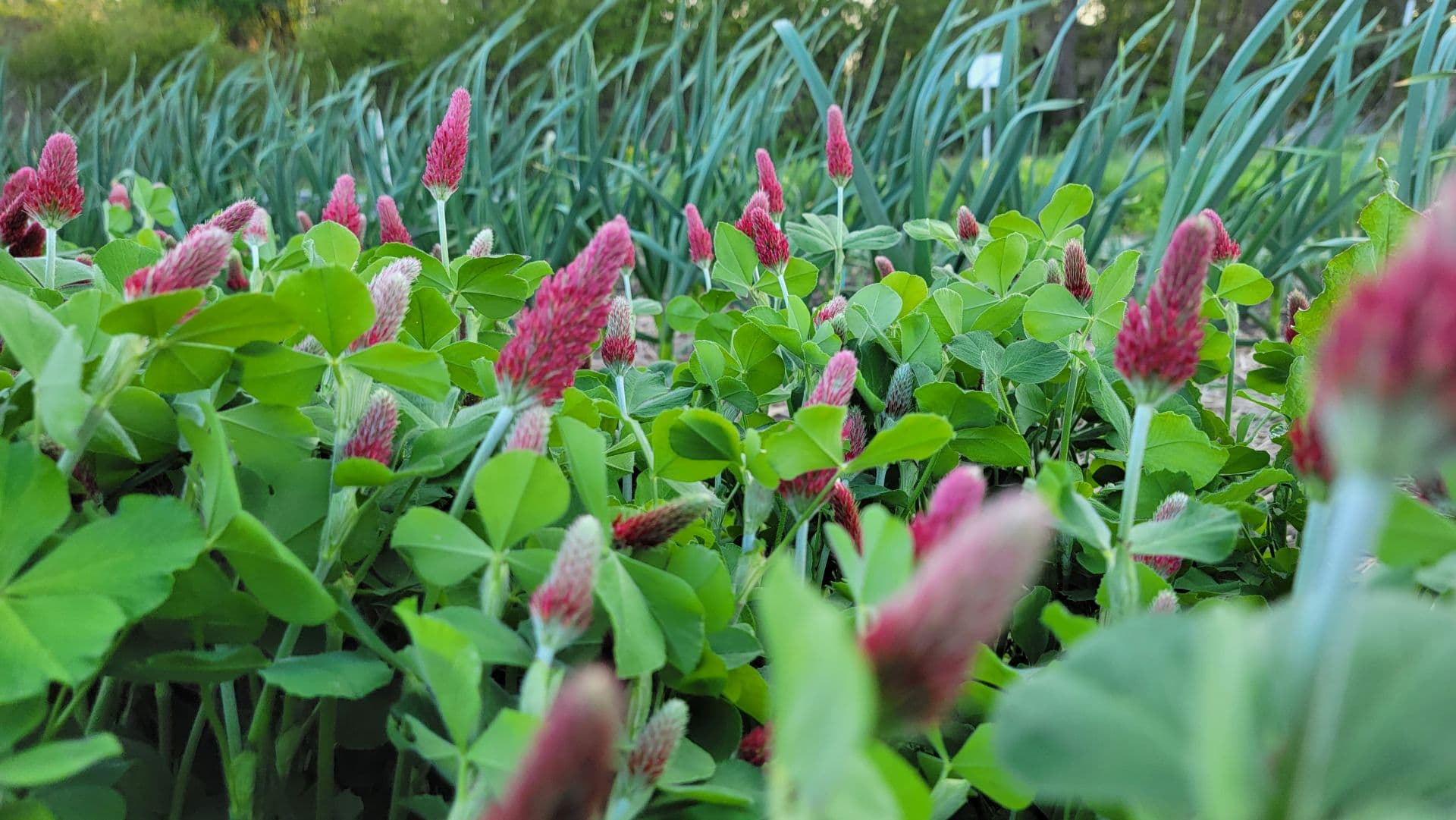
Cover crops are grasses, legumes, and forbs planted for seasonal vegetative cover. Cover crops have the potential to increase soil organic matter and increase the biodiversity of soil organisms. They can suppress weeds, reduce erosion, minimize soil compaction, and can even be used to grow mulch in place.
Indiana Small Farms and Gardens Resources
Developed by the Marion County SWCD in partnership with USDA-NRCS Indiana, North Central SARE, and Clean Water Indiana.
- Cover Crop Overview (PDF)
- Cover Crop Table (PDF) ] Species list, characteristics, termination methods, seeding rates
- Cover Crop Seeding Methods (PDF)
- Cover Crop Termination (PDF)
- Indiana Cover Crop Seeding Windows
Optimal planting seasons for different cover crop species. - Indiana Cover Crop Packet for Conservation Planners (PDF)
- Marion County SWCD – Favorite Cover Crop Mixes (PDF)
- Marion County SWCD – Favorite Cover Crop Rotations (PDF)
- Marion County SWCD – Vegetable Gardening with Cover Crops (YouTube) – Planning and managing fall planted cover crop mixes
- Marion County SWCD – Terminating Cover Crops in a No-Till Garden (YouTube)
Indiana Cover Crop Tool for Small Farms and Gardens
Design cover crop mixes and determine seeding rates and amounts per area.
Cover Crop Strategies
- Winterkill Cover Crops
- Overwintering Legumes Cover Crops
- High Biomass Cover Crops
- Summer High Biomass Cover Crops (Coming soon)
- Summer Low Biomass Cover Crops (Coming soon)
- Spring Cover Crops (Coming soon)
More Cover Crop Resources
- Virginia Association for Biological Farming: Using Manually Operated Seeders for Precision Cover Crop Plantings on the Small Farm (PDF)
- SARE Managing Cover Crops Profitably (book and online)
- Midwest Cover Crops Council (MCCC) Cover Crop Decision Tools (online)
Sourcing Cover Crop Seed
Crop Rotation
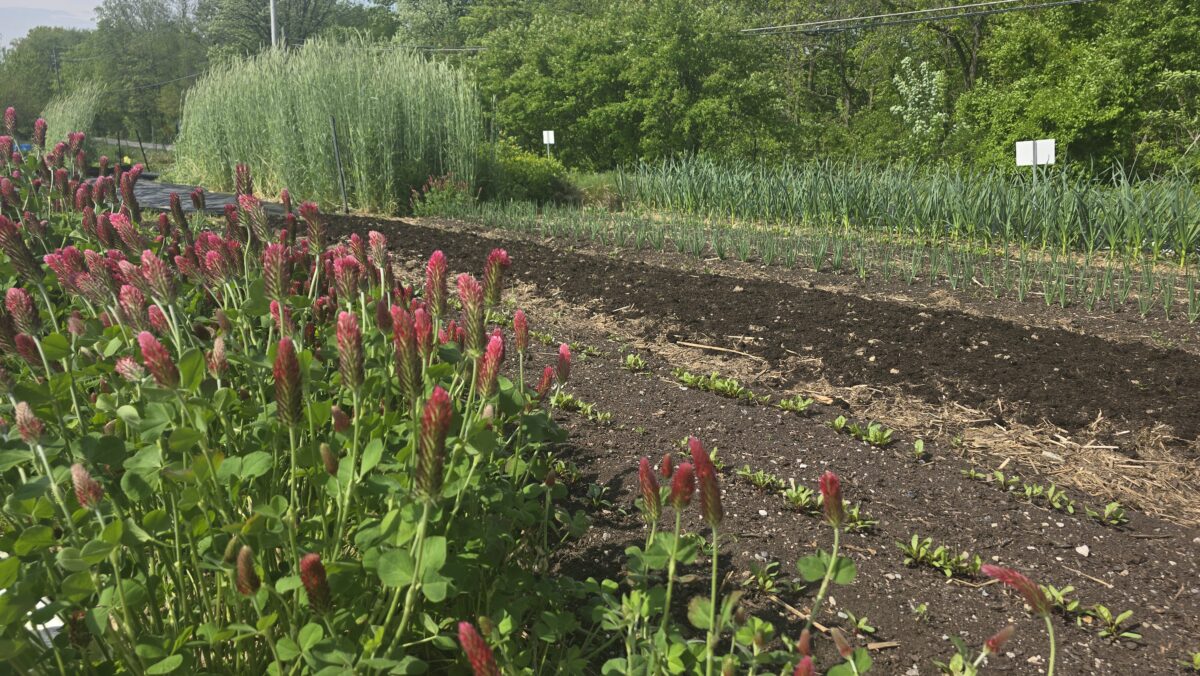
Indiana Conservation Crop Rotation Tool for Small Farms and Gardens
Build crop rotations, explore the advantages and disadvantages of crop sequences, and make informed decisions to prevent diseases.
Additional Resources
- SARE Crop Rotation on Organic Farms (book and online) – Helpful charts and guidance to help growers plan crop rotations.
- Marion County SWCD – Demonstration Garden Crop Rotation Template (Sheets) – This is a google sheet containing the crop rotation of the SWCD demo garden. This crop rotation can be copied and adjusted to fit your own garden, crops, and context.
- Marion County SWCD – Demonstration Garden – Favorite Crop Rotations (PDF)
Mulching
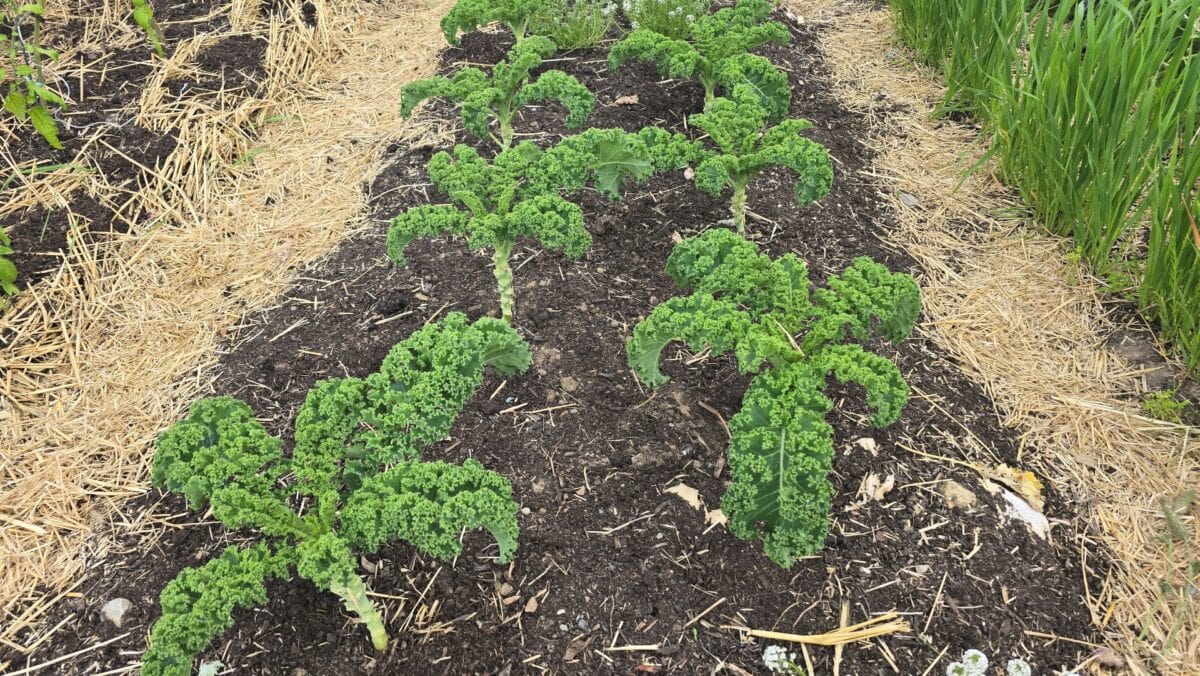
Mulches are plant residues or other suitable materials that are applied to the soil surface. Mulches can be used to improve moisture management, improve irrigation water efficiency, reduce erosion, improve plant productivity and health, maintain or increase organic matter, suppress weeds, and more.
Indiana Mulching Tool for Small Farms and Gardens
Plan mulching types, depths, and material amounts needed.
Resources
Nutrient Management
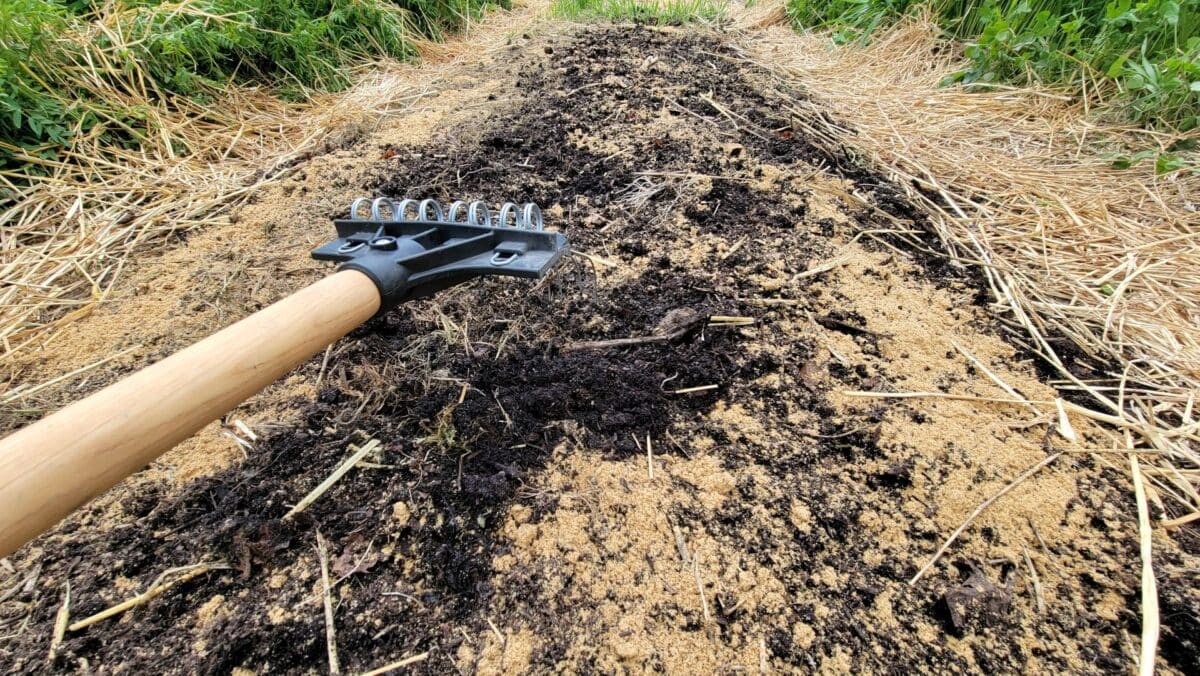
Indiana Nutrient Management Tool for Small Farms and Gardens
Organize soil test records, plan pH adjustments, determine nutrient goals for commonly grown vegetables, develop fertilizer and amendment plans, calculate application rates, and manage compost and manures.
Additional Resources
- Nutrient Management Plan for Organic Systems (PDF) – Excellent resource and tables for amendments, composts, and manures. This guide was created for the western states, but the information can be valuable for Indiana growers.
- Nutrient Recommendations for Vegetable Crops in Michigan (PDF)
- University of Maryland Cooperative Extension – Nutrient Recommendations for Commercial Cut Flower Production (PDF)
Tarping
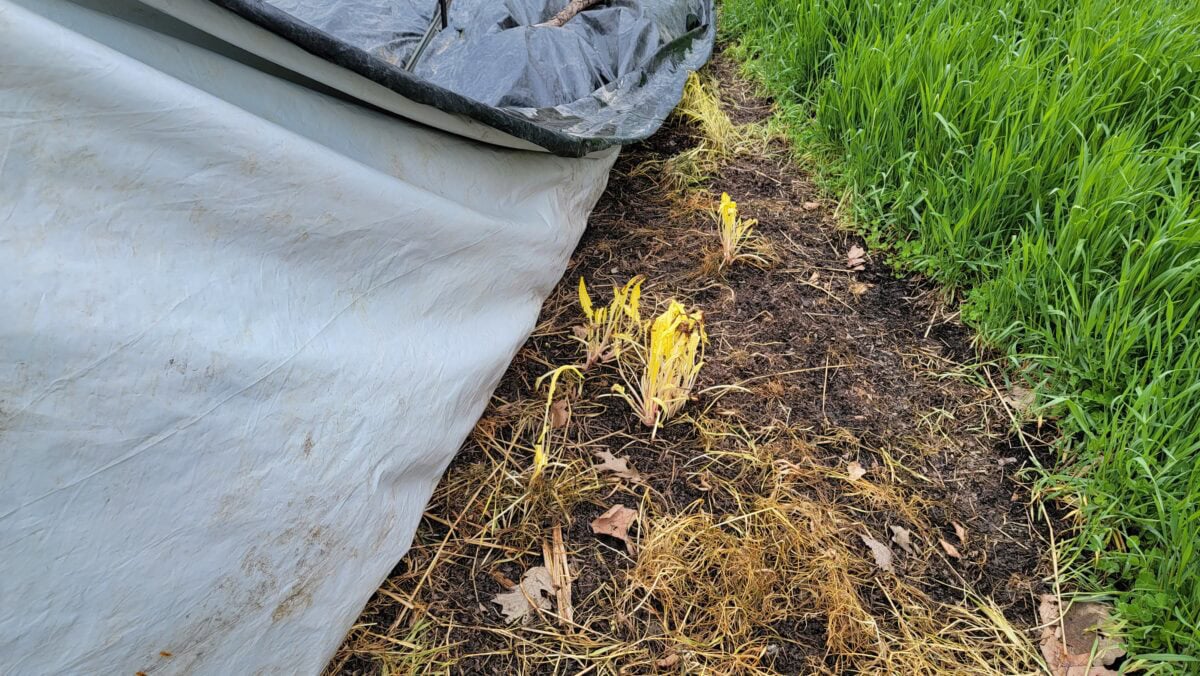
- Tarping, Cornell University
- Bulletin #1075, Tarping in the Northeast: A Guide for Small Farms, University of Maine, New Hampshire, and Cornell
- Marion County SWCD List of Tarp Sources
High Tunnels
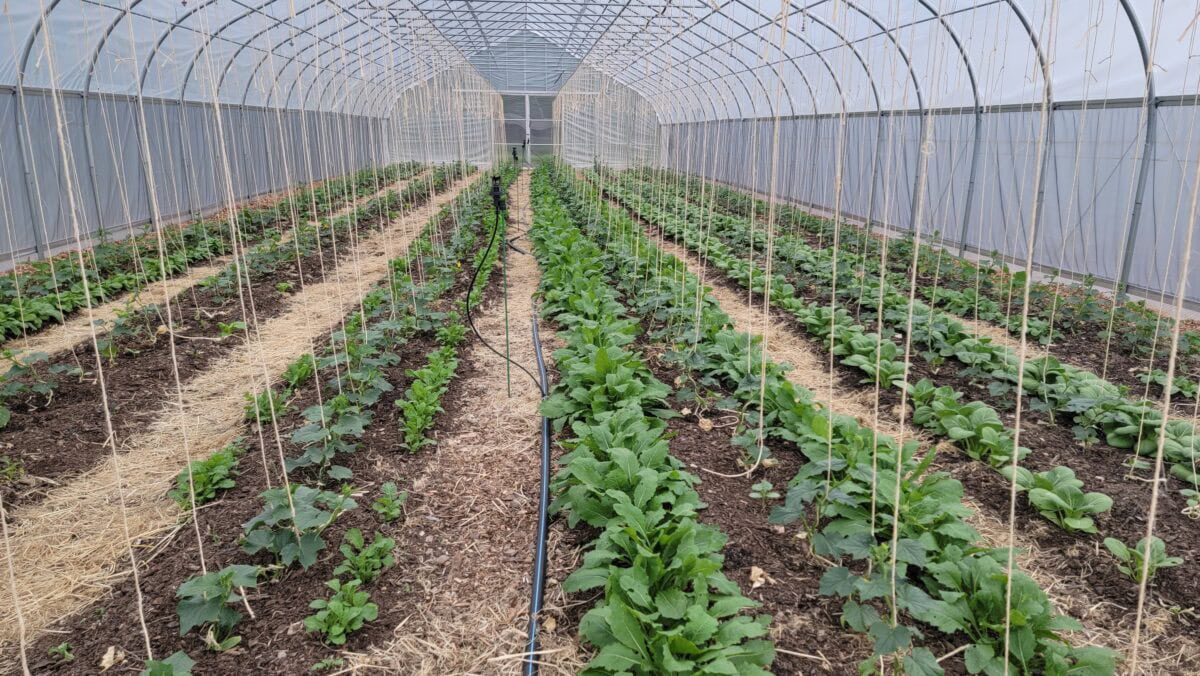
- USDA-NRCS High Tunnel System 325 Implementation Requirements
- Purdue University HO-296 Indiana High Tunnel Handbook – This resource describes: selecting the right size and type of high tunnel for your operation, choosing a site location, constructing a high tunnel, determining planting dates, laying out beds, spacing plants, understanding environmental factors, monitoring soil health, and managing pests and diseases.
- Scheduling Fall and Winter Vegetable Production HO-330 – This publication provides abundant, detailed guidance on scheduling vegetable crops for winter high tunnel production. It includes a fillable scheduling form, a planting date scheduling guide, two scenarios with revenue projections, and charts and figures covering six crops. It aims to help farmers improve quality and yield and help them better match production and market demand.
- Managing Environment in High Tunnels for Cool Season Vegetable Production HO-297 – In a high tunnel or hoophouse, vegetable growers can influence three crucial factors: light, temperature and relative humidity. In this publication, Purdue Extension experts discuss practical suggestions for managing the environment in high tunnels used for cool season production in the Midwest.
- SWCD High Tunnel Supplier List
Irrigation Water Management
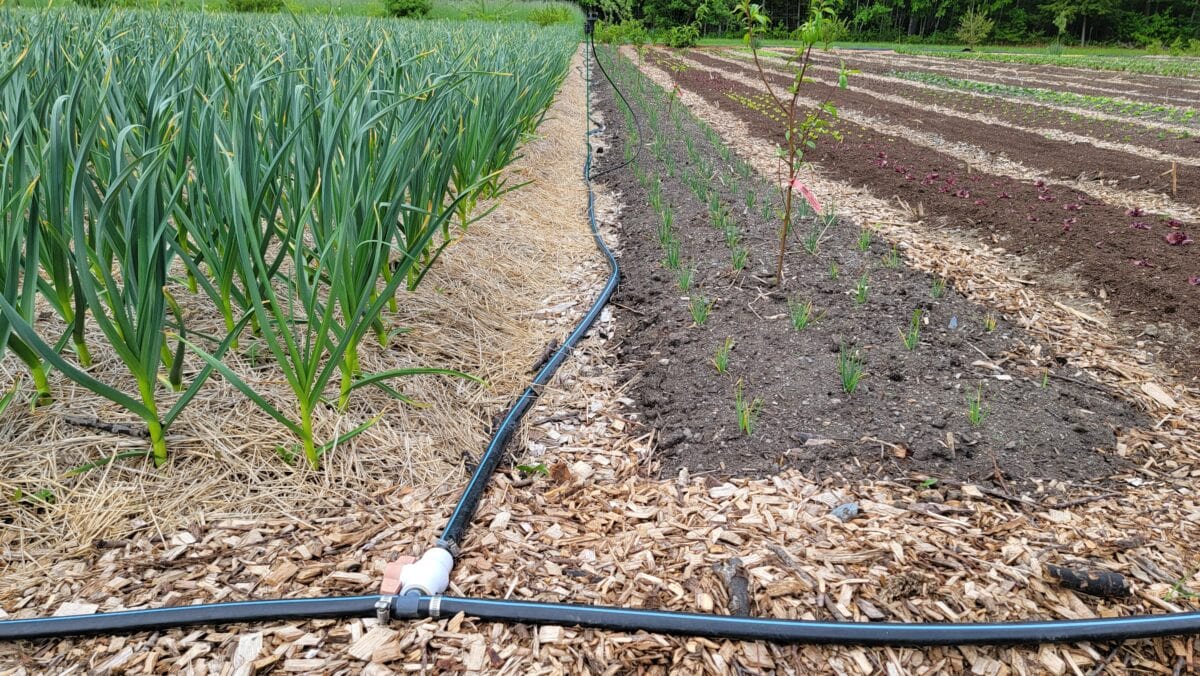
- USDA-NRCS Indiana Irrigation Water Management Plan for Small Farms and Gardens (PDF)
- Iowa State University Extension and Outreach – Rainwater Harvesting for Homes and Community Gardens (PDF)
- Iowa State University Extension and Outreach – Addressing Challenges of Rainwater Catchment Systems for Produce Irrigation
- Utah State University – Water Recommendations for Vegetables
- UMass Extension Vegetable Program – Irrigating Vegetable Crops
- Bayer Agronomic Spotlight Vegetable Seed Germination and Emergence
Native Plantings and Insect Resources
- Marion County SWCD
- Purdue Extension
- Recommended Indiana-Native Plants for Attracting Pollinators
- Vegetable insects and their management
- Fruit insects and their management
- Pollinator Protection
- Vegetable Insects E-65-W
- Vegetable Insects: Managing Insects in the Home Vegetable Garden
- Common Name and Order of 50 Insects
- Fruit & Veg IPM on Facebook
- Plant and Pest Diagnostic Lab – The Purdue University Plant and Pest Diagnostic Laboratory works to diagnose plant diseases and identify insects, plants and weeds and other plant and pest problems. Fees may apply.
- Indiana Native Plant Society
- Pollinator Partnership
- Pollinator Partnership’s Midwest Partner Biologists – Midwest technical and educational resources
- Xerces Society
- Farming with Native Beneficial Insects
- Beneficial Insect Scouting Guide
- Pollinator Plants Midwest Region
- Checklist of Actions to Promote Pollinators in Yards, Gardens, and Parks
- Habitat Planning For Beneficial Insects / Guidelines for Conservation Biological Control
- Beneficial Insect Habitat Assessment Form and Guide
- USDA Natural Resources Conservation Service: Plants database
- Missouri Botanical Garden: Plant Finder
- Plant calculator: determine spacing for a plug planting
- Cornell University – Resource Guide for Organic Insects and Disease Management – This is a great all-around guide for insect management on organic farms and gardens.
- eOrganic – Insect Management in Organic Farming Systems
- ATTRA – Insect Management Publications
- SARE
- Midwest Vegetable Production Guide for Commercial Growers (ID-56) – Current pesticide information.
- DriftWatch and BeeCheck
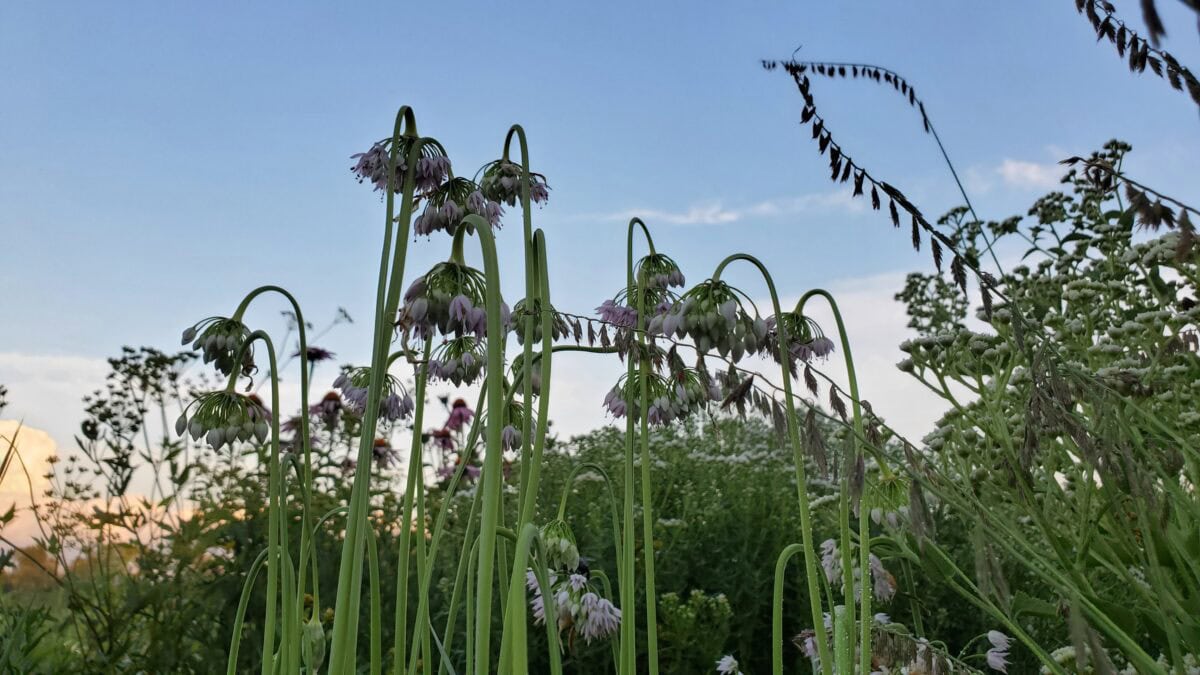
Insects are important to soil health and growing food. Soil engineering insects help create soil structure that is stable for water and nutrients. Decomposers eat organic material and unlock nutrients. Pollinators help many crops reproduce and yield fruits and vegetables. Then there are the pest controllers. These beneficial insects serve as natural enemies to pests and help suppress their populations through predation and parasitoidism. The paper wasp and aphid wasp are great examples of insects that keep pests at bay.
There are an estimated 5 million insect species. Of these, it is just a handful that happen to cause issues in the garden. In fact, insects can come in very handy when growing crops. Here are some resources that can help you manage them.
Don’t forget that one of the keys to insect management is in the soil. Adequate plant nutrients and soil moisture, including favorable soil pH and healthy soil, can reduce plant stress, improve plant vigor and increase the plant’s overall ability to tolerate pests. Soil Health = Plant Health.
Consider following the PAMS method as a foundation for your insect management strategy.
- Prevention – Activities such as cleaning equipment and gear when leaving an infested area, using pest-free seeds and transplants, using exclusion netting, and irrigation and watering scheduling and methods to limit situations that are conducive to disease development.
- Avoidance – Activities such as maintaining healthy and diverse plant communities, using pest-resistant varieties, and crop rotation.
- Monitoring – Activities such as pest scouting and weather forecasting to help target suppression strategies.
- Suppression – Activities such as the judicious use of cultural, mechanical, biological, and chemical control methods that reduce or eliminate a pest population or its impacts while minimizing risks to non-target organisms.
Soil Testing
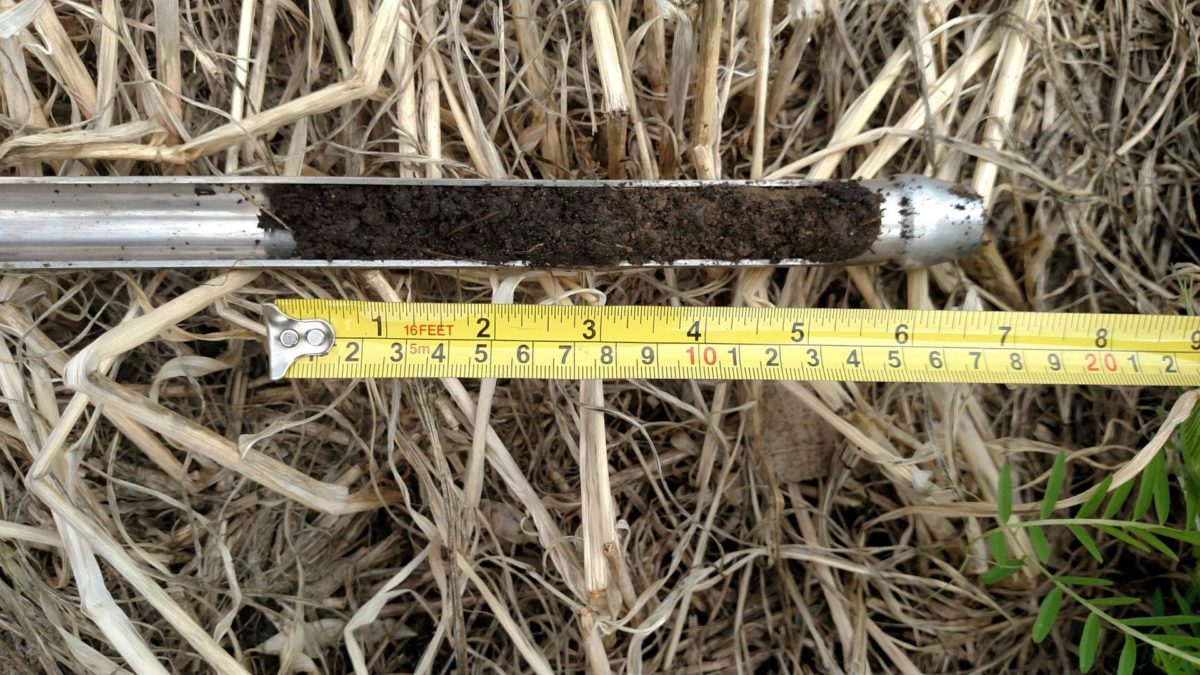
Resource: Soil Testing for Small Farms and Gardens (pdf)
Developed in partnership with the USDA-NRCS Indiana, Marion County SWCD, and Indiana Small Farm Conservation.
Soil testing is the process of sampling and analyzing a soil’s nutrient and other chemical levels. With information gathered from a soil test, farmers and gardeners can better understand their soil’s properties and make informed agronomic decisions. The information provided within this document is focused on nutrient testing typical garden soils. Additional considerations may be needed for soil testing in high organic matter soils, raised beds, contaminated soils, or to gain knowledge on the biological and physical health of your soil.
Benefits of Soil Testing include:
• Determines pH levels (lime or sulfur needs)
• Determines nutrient levels in the soil
• More efficient fertilizer use
• Provides a decision-making tool for nutrient application and management
• Potential for higher-yielding crops
• Potential for higher-quality crops
• Maintain and improve soil, water, air and plant nutrients
The Marion County SWCD does not perform soil test analysis. For a “how to” on how to test your soil, please refer to the document above. Please let us know if you have any questions. For soil contamination testing, visit the Soil Contamination section of the Soil Health page.
Soil Contamination
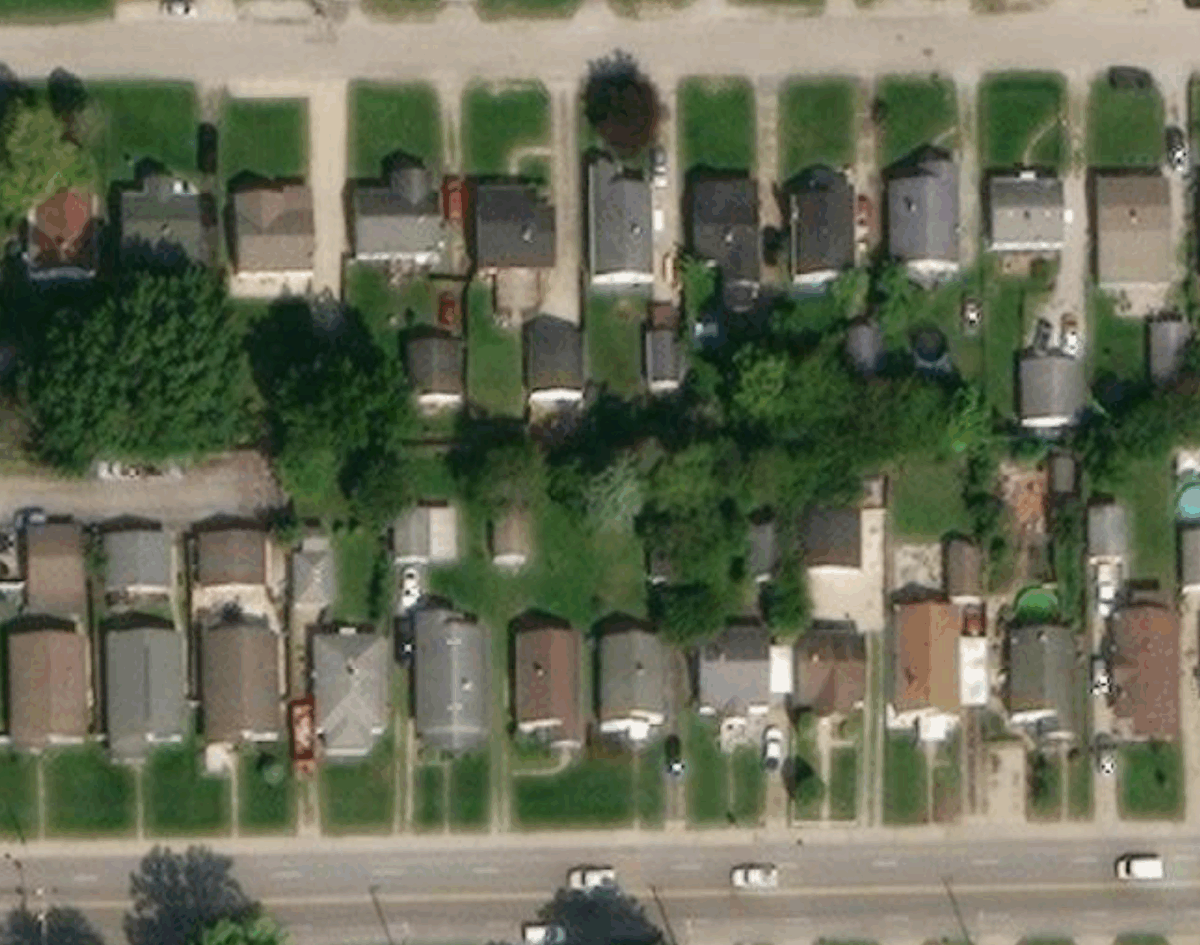
- IU Center for Urban Health – Resource for Soil Testing Lead
- IU Indianapolis Center for Urban Health: Soil Testing for Lead
- Indiana Department of Environmental Management – What’s in My Neighborhood? Information + Online Map
The following EPA document contains helpful recommendations for gardening, especially the information in Table 1 and Table 3. Follow the link to obtain the PDF.
- U.S. Environmental Protection Agency. (2014, May). Technical review workgroup recommendations regarding gardening and reducing exposure to lead-contaminated soils (OSWER 9200.2-142). Office of Solid Waste and Emergency Response.
Raised Beds
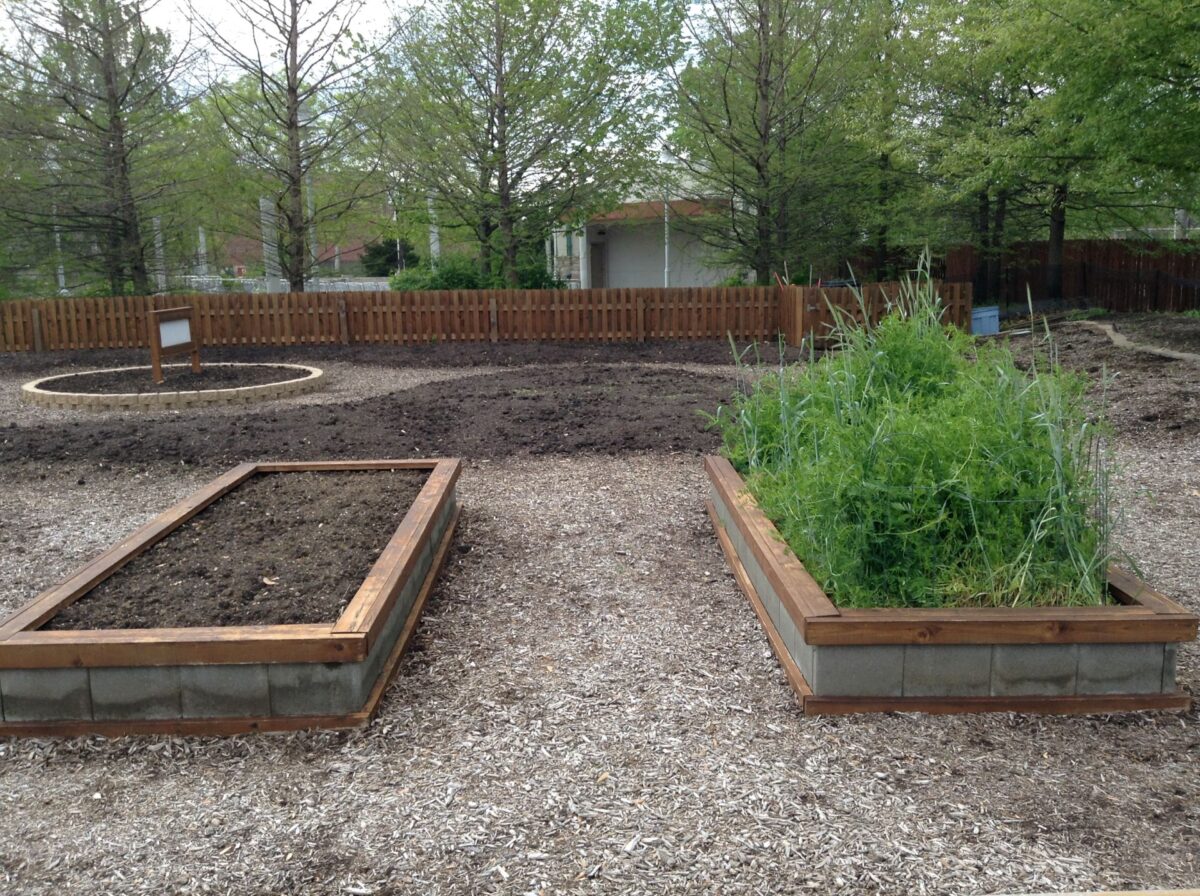
- Purdue Extension HO-200-W Container and Raised Bed Gardening (pdf) – Guidance and recipe for raised beds.
Conservation Practice Tools
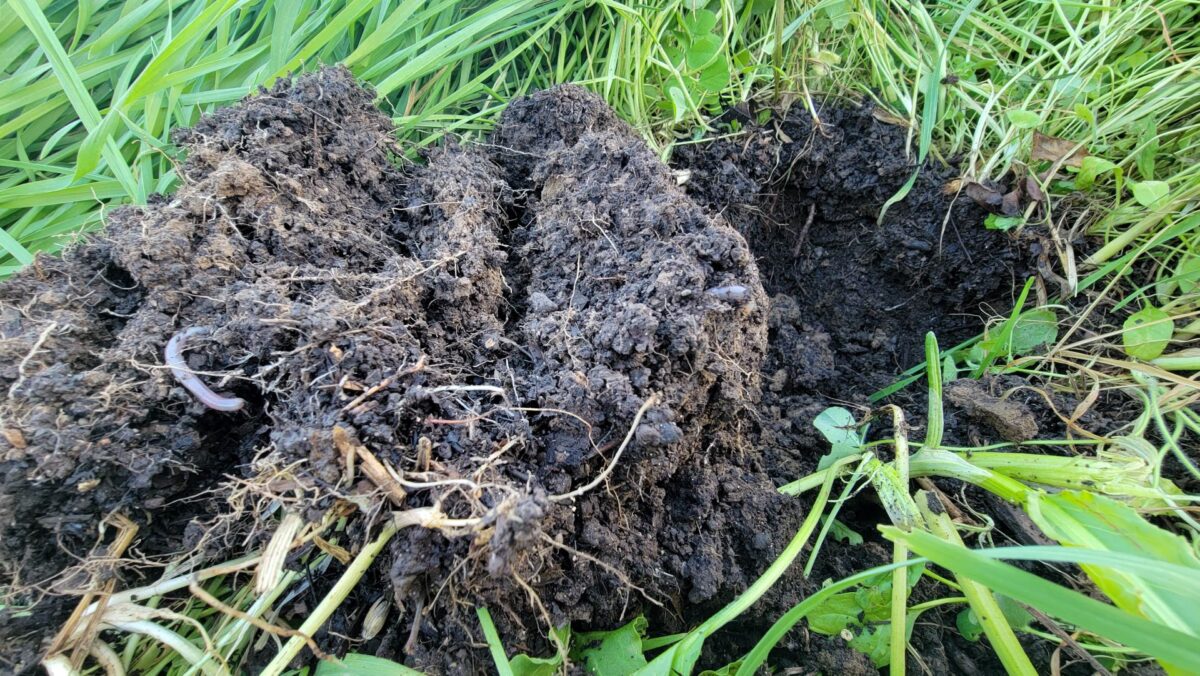
The Marion County Soil and Water Conservation District’s Conservation Practice Tools are designed to help growers and conservation planners to plan conservation practices on small farms and gardens. Please visit our Soil Health page to find supplemental resources for each practice.
Indiana Conservation Crop Rotation Tool for Small Farms and Gardens
Well-planned crop rotations offer numerous benefits, including reducing disease, weed, and insect pressure, improving crop nutrition and soil structure, and making crop management easier. Use this tool to build crop rotations, explore the advantages and disadvantages of crop sequences, and make informed decisions to prevent diseases. The tools automates SARE’s Crop Rotation on Organic Farms: A Planning Manual’s crop sequence tables and includes a list of commonly grown vegetables, flowers, and cover crops, along with their plant families.
Indiana Cover Crop Tool for Small Farms and Gardens
Design cover crop mixes and determine seeding rates and amounts per area.
- Indiana Cover Crop Tool (Excel Version)
- Indiana Cover Crop Tool (Sheets Version)
- Indiana Cover Crop Tool Tutorial (YouTube)
Indiana Mulching Tool for Small Farms and Gardens
Plan mulching types, depths, and material amounts needed.
- Indiana Mulching Tool (Excel Version)
- Indiana Mulching Tool (Sheets Version)
- Indiana Mulching Tool Tutorial (YouTube)
Indiana Nutrient Management Tool for Small Farms and Gardens
Organize soil test records, plan pH adjustments, determine nutrient goals for commonly grown vegetables, develop fertilizer and amendment plans, calculate application rates, and manage compost and manures.
- Indiana Nutrient Management Tool (Excel Version)
- Indiana Nutrient Management Tool (Sheets Version)
- Indiana Nutrient Management Tool Tutorial (YouTube)
- Feedback Form – Please fill out this quick form to help us better measure interest (optional)
Technology Disclaimer
- The Excel version of this tool requires Excel 2021+ or Microsoft 365. If opened in Excel 2019 or earlier, formulas will break and results may be incorrect.
- The Google Sheets version shows a warning when editing a cell intended to be protected for the tool’s programming but cannot be fully protected. If formulas are accidently edited, it is recommended to download a new, fresh copy from the SWCD website. Google Sheets users must click OK to the warning in order to print.
Conservation Practice Tool Development
These conservation tools are developed and maintained by Kevin Allison, Soil Health Specialist, Marion County Soil and Water Conservation District. This work is supported by the Marion County SWCD, Indiana Small Farm Conservation, the USDA Natural Resources Conservation Service, Clean Water Indiana, and North Central SARE. This material is based upon work that is supported by the the National Institute of Food and Agriculture, U.S. Department of Agriculture, under agreement number 2024-38640-42989 through the North Central Region SARE program under project number ENC24-233. USDA is an equal opportunity employer and service provider. Any opinions, findings, conclusions, or recommendations expressed in this publication are those of the author(s) and do not necessarily reflect the view of the U.S. Department of Agriculture. The USDA NRCS and its partners are equal opportunity provider, employer, and lenders.
Conservation Material Sourcing

The Marion County Soil & Water Conservation District provides this directory as a resource to help Indiana landowners and producers locate sources for conservation-related materials. Visit the directory here.
Conservation Programs
Marion County Soil and Water Conservation District | Conservation Programs
- Marion County SWCD Cover Crop Program – 2027 Guidance and Application
USDA Natural Resources Conservation Service (NRCS) | Conservation Programs
- USDA NRCS Environmental Quality Incentives Program (EQIP) – Indiana – EQIP helps producers implement voluntary conservation practices that address a wide range of natural resource concerns. Learn about how it works, benefits, eligibility, how to apply, and its voluntary conservation practices.
- 2026 EQIP Roadmap for Indiana Small Farms (YouTube)
USDA Natural Resources Conservation Service and Indiana Small Farms Conservation explain 2027 Environmental Quality Incentives (EQIP) funding, from eligibility, application, step-by-step instructions, and next steps, to available conservation practices scaled to smaller operations. - Find your Local USDA Service Center
USDA Service Centers are locations where you can connect with the Farm Service Agency (FSA) and the Natural Resources Conservation Service (NRCS). If you are new to working with USDA and would like to apply for EQIP, you will need to establish your Farm Record with the Farm Service Agency.
Additional Resources
Soil Health Systems and Organic Resources
- Carbon and nitrogen C:N (PDF) – Helpful in understanding carbon to nitrogen ratios in cropping systems
- ATTRA Sustainable Agriculture – Information on various topics, written by sustainable agriculture specialists
- Soil health background (NRCS)
Climate
Permaculture, Food Forests, and Agroforestry
- Marion County SWCD – NACD Permaculture Report (PDF) – Design templates for urban lots
- University of Missouri – Center for Agroforestry
- USDA National Agroforestry Center
Acknowledgements
This work is supported by the Marion County SWCD, the USDA Natural Resources Conservation Service, Clean Water Indiana, and North Central SARE. This material is based upon work that is supported by the the National Institute of Food and Agriculture, U.S. Department of Agriculture, under agreement number 2024-38640-42989 through the North Central Region SARE program under project number ENC24-233. USDA is an equal opportunity employer and service provider. Any opinions, findings, conclusions, or recommendations expressed in this publication are those of the author(s) and do not necessarily reflect the view of the U.S. Department of Agriculture.