Soil Health
The Marion County Soil and Water Conservation District provides soil health and conservation resources, technical assistance, educational opportunities, and networking for farmers and gardeners. Conservation in agriculture improves soil health, plant health, nutrient efficiency, and the soil’s ability to infiltrate, store, and clean water. The district also assists the USDA-NRCS and the Indiana Conservation Partnership with training and adapting conservation practice technical standards and programs to small-scale and urban farms and gardens. We hope our resources and efforts are an asset to growers and conservation partners.
This work is supported by the Marion County Soil and Water Conservation District, the USDA Natural Resources Conservation Service, Clean Water Indiana, and North Central SARE. This material is based upon work that is supported by the the National Institute of Food and Agriculture, U.S. Department of Agriculture, under agreement number 2024-38640-42989 through the North Central Region SARE program under project number ENC24-233. USDA is an equal opportunity employer and service provider. Any opinions, findings, conclusions, or recommendations expressed in this publication are those of the author(s) and do not necessarily reflect the view of the U.S. Department of Agriculture.
Contact: Kevin Allison, Soil Health Specialist, Marion County SWCD
Join our newsletter
Contact
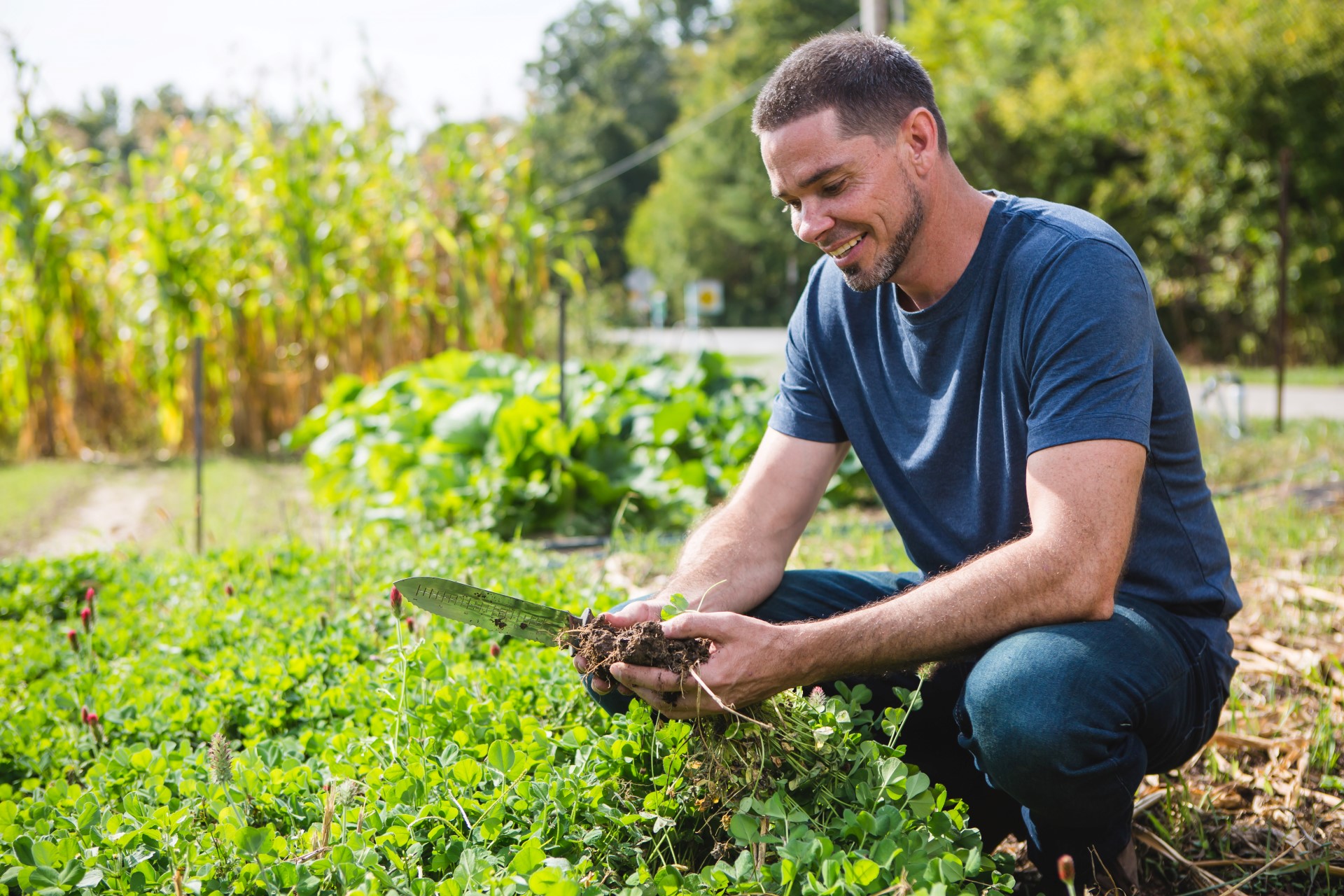
Cover Crop Seed Program
Details are on the application. Contact the Marion County SWCD if you need assistance with the application.
Please sign up for our newsletter to be notified about upcoming programs and educational events.
marionswcd.org/connect/

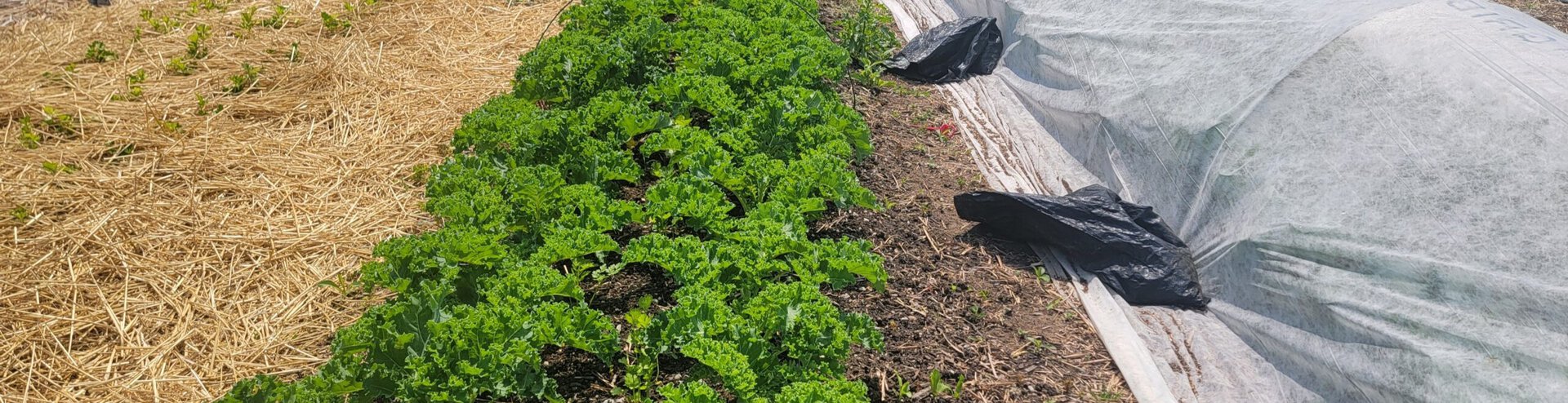
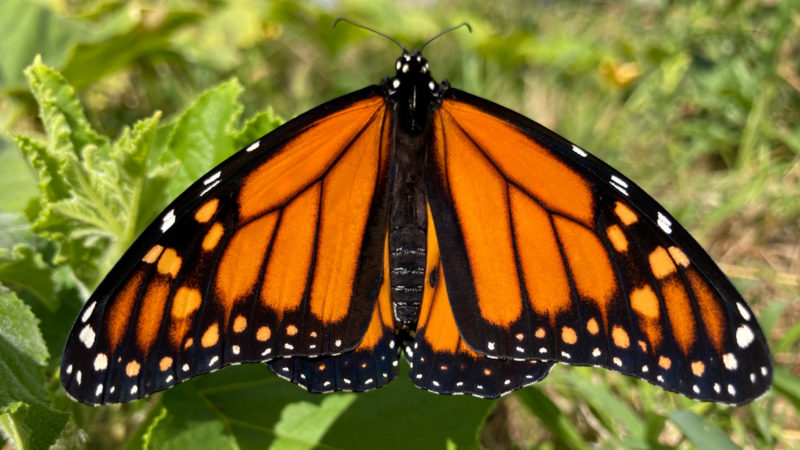
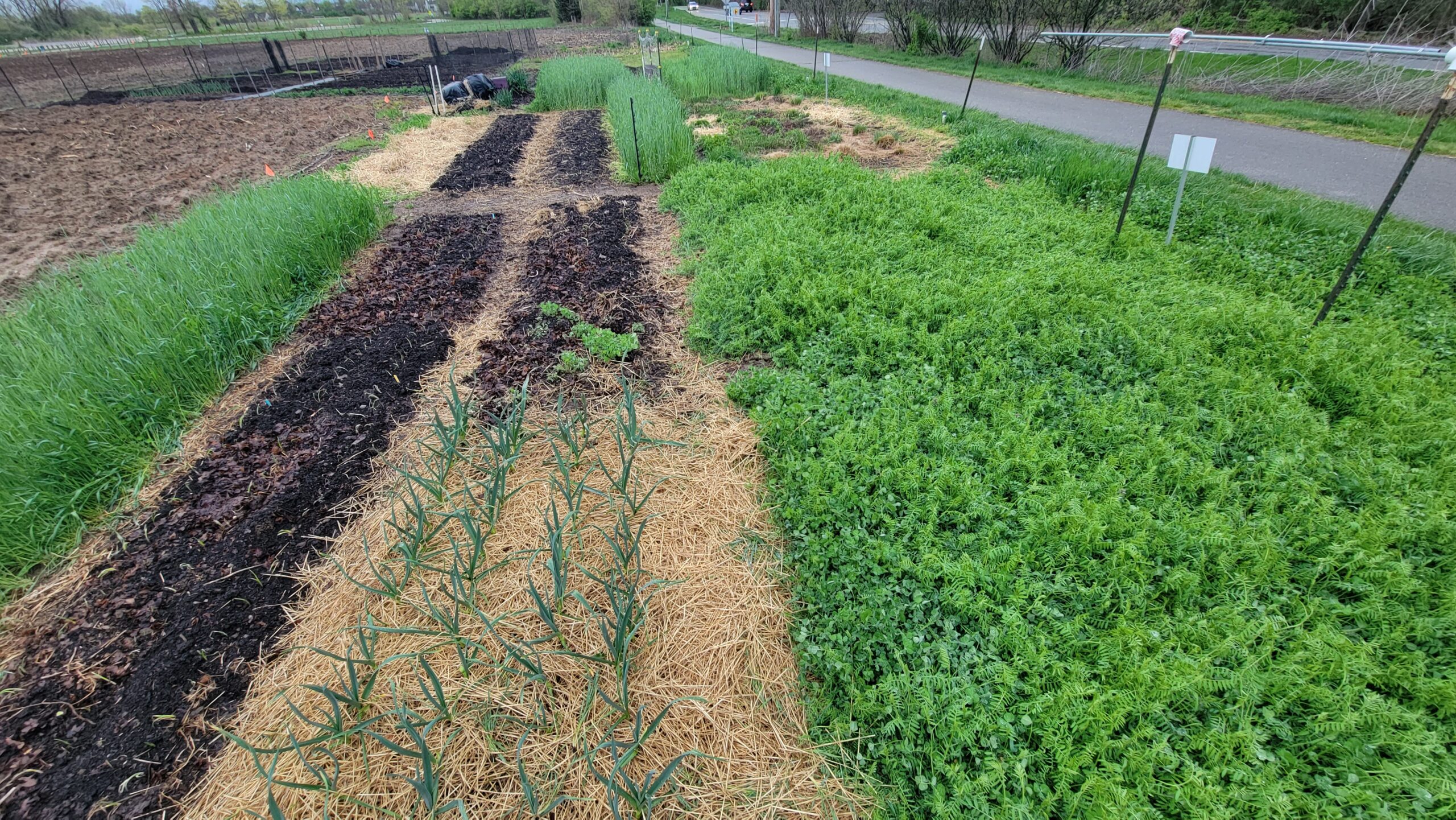
Our educational vegetable garden incorporates crop rotation, cover crops, mulching, minimal soil disturbance, nutrient management, and wildlife plantings for beneficial insects and pollinators.
Contact us if you wish to schedule a garden visit or tour and stay connected with our newsletter and events page for hands-on workshops. The garden is located along Eagle Creek Trail within the Mayor’s Garden at West 56th Street and Reed Road in Indianapolis.
See this MAP for directions.
Resources
SOIL HEALTH
MINIMIZE DISTURBANCE
MAXIMIZE SOIL COVER
MAXIMIZE BIODIVERSITY
MAXIMIZE CONTINUOUS LIVING ROOTS
This website contains resources developed by the Marion County Soil and Water Conservation District, Indiana USDA-Natural Resources Conservation Service, and Indiana’s Urban Soil Health Program and links to important resources from additional organizations, extension services, and the Indiana USDA-NRCS Field Office Technical Guide (FOTG),
The results of soil health practices can vary based on soils, climate, weed pressure, and other factors in the garden. Please engage with your Soil and Water Conservation District for workshops and education.
Soil health is the continued capacity of soil to function as a vital living ecosystem that sustains plants, animals, and humans.
4 core principles to focus on:
- Minimize Disturbance – Disturb the soil as little as possible.
- Maximize Soil Cover – Keep the soil covered as much as possible.
- Maximize Biodiversity – Using crop rotation and cover crops.
- Provide Continuous Living Roots – Keep plants growing throughout the year.
Conservation Practices to help improve soil health:
- Crop rotation
- Compost
- Cover Crops
- Mulching
- No-till & Reduced-till
- Nutrient Management
- Irrigation Management
- Pest Management Systems
- Wildlife and Native Plantings for Beneficial Insects and Pollinators
- And more
Why?
- Increased plant health
- Increased plant productivity
- Increased soil organic matter
- Increased soil water-holding capacity
- Increased soil aggregate stability
- Increased water infiltration
- Improved nutrient use efficiency
- Enhanced and diversified soil biology
- Reduced weed pressure
- Reduced pest pressure
And for the pleasure of growing food in an ecological system!
Ready to grow vegetables? Here are some of our favorite resources.
For tips and guidance on how to use soil health practices in gardening, see the relevant section on the SWCD Soil Health page, such as cover crops, mulching, and nutrient management.
Vegetable Resources
- Purdue Extension Gardening Bulletins – These gardening documents contain a wealth of information about vegetables, including the optimal times to plant them in Indiana.
- Midwest Vegetable Production Guide – This annually-revised guide is a summary of currently suggested fertility, horticultural, and pest management techniques and tools for commercial vegetable growers.
- ISDA & Purdue University – Indiana Fruit and Vegetable Harvest Calendar (pdf)
Videos about Starting a No-Till Vegetable Garden
- No-Till Growers – How to Start a No-Till Garden from Scratch
- No-Till Growers – Developing a No-Till Garden from Scratch
- No-Till Growers – From Pasture to Production
- SARE Crop Rotation on Organic Farms (book and online) – Helpful charts and guidance to help growers plan crop rotations.
- Marion County SWCD Demonstration Garden Crop Rotation Template – This is a google sheet containing the crop rotation of the SWCD demo garden. This crop rotation can be downloaded and adjusted to fit your own garden, crops, and context.
- Marion County SWCD Demonstration Garden Crop Plans – Favorite Crop Rotations and Active Crop Plan (pdf)
Cover crops are grasses, legumes, and forbs planted for seasonal vegetative cover. Cover crops have the potential to increase soil organic matter and increase the biodiversity of soil organisms. They can suppress weeds, reduce erosion, minimize soil compaction, and can even be used to grow mulch in place.
Resources
- Indiana Cover Crop Overview (pdf)
What is a cover crop and what are the benefits? - Indiana Cover Crop Table for Small Farms and Gardens (pdf)
List of cover crops species, characteristics, and seeding rates. - Indiana Cover Crop Seeding Methods for Small Farms and Gardens (pdf)
All about how to plant cover crops. - Indiana Cover Crop Termination for Small Farms and Gardens (pdf)
This document describes common methods and nuances involved in cover crop termination. - Indiana Cover Crop Seeding Windows
Just like vegetables, each cover crop species has an optimal planting season. - Virginia Association for Biological Farming: Using Manually Operated Seeders for Precision Cover Crop Plantings on the Small Farm (pdf)
As described in the seeding methods guide, some growers use push seeders to plant rows of cover crops. This has the details! - Marion County SWCD Favorite Cover Crop Mixes (pdf)
The SWCD’s favorite cover crop mixes and strategies! - Marion County SWCD Demonstration Garden Crop Plans – Favorite Crop Rotations and Active Crop Plan (pdf)
- Cover Crop Resource Packet for Indiana Conservation Planners (pdf)
Indiana Cover Crop Tool for Small Farms and Gardens (Updated December 2025)
This spreadsheet tool assists with designing cover crop seed mixes and seeding rates for small-scale areas.
- Indiana Cover Crop Tool (Microsoft Excel Version)
- Indiana Cover Crop Tool (Google Sheets Version)
- Indiana Cover Crop Tool “How To” Video (YouTube, January 2026)
Cover Crop Strategies
The SWCDs six favorite cover crop strategies.
- Winterkilled Cover Crops
A) Winterkill Cover Crop Strategy (webpage)
B) Winterkilled Oats and Field Peas for Early and Mid Spring Crops
C) Oats Tech Note - Overwintering Legume Cover Crops
Best next crops: Brassicas, Tomatoes, Peppers, Sweet Corn, and more
A) Overwintering Legumes Cover Crop Strategy (webpage)
B) Oats and Legumes for Kale and Spring Brassicas
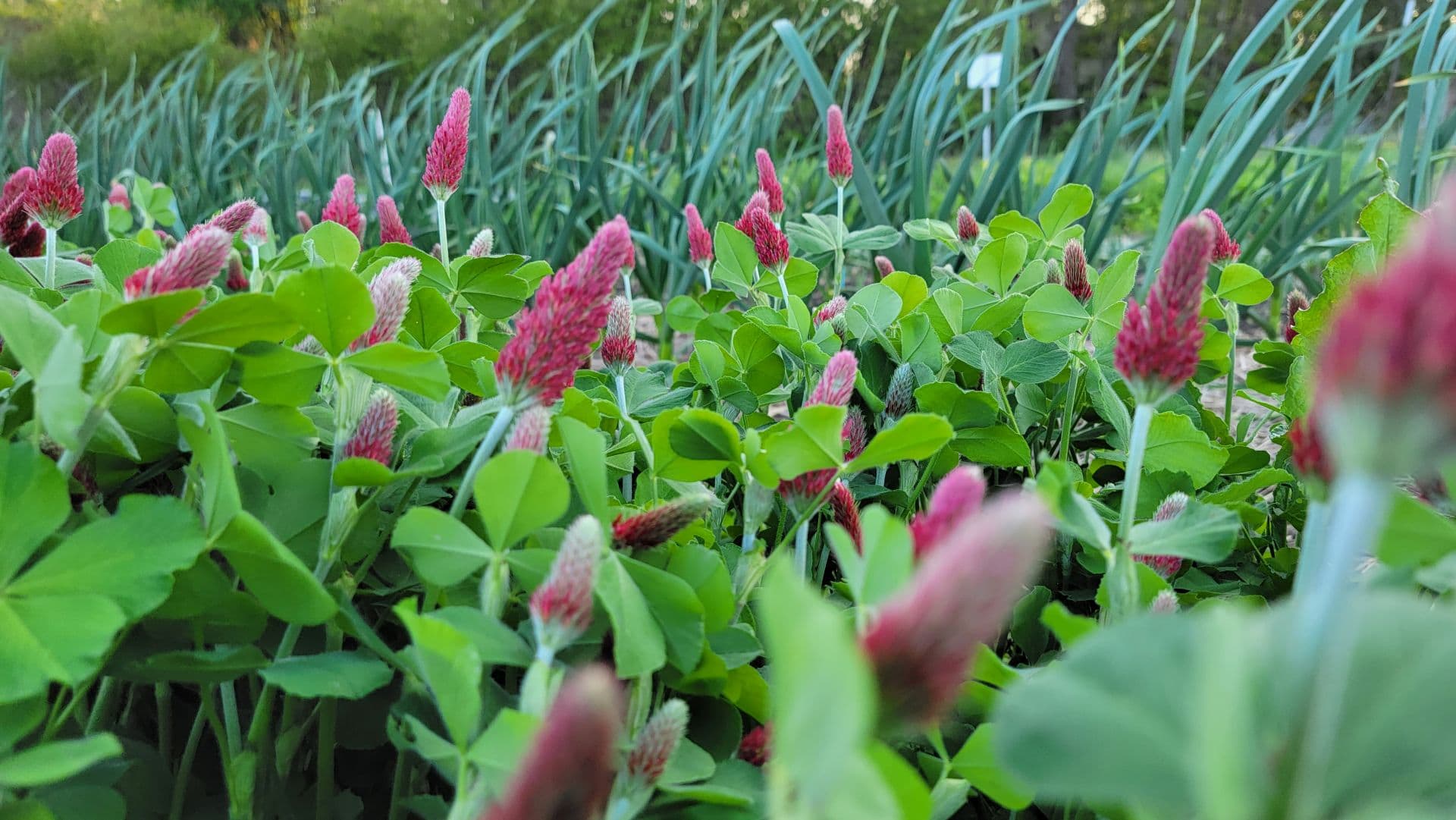
C) Crimson Clover Tech Note
D) Google Slides deck on Legume Cover Crops
E) Overwintering Legume Cover Crop (YouTube) - High Biomass Cover Crops
Best next crops: squash, tomatoes, peppers, sweet potatoes, and more
A) Cereal Rye and High Biomass Cover Crop Mix (Google Slides) - Summer High Biomass Cover Crops: Sorghum Sudangrass and Sunn Hemp (Coming soon)
- Summer Low Biomass Cover Crops: Buckwheat (Coming soon)
- Spring Cover Crops: Oats, Field Peas, and Phacelia (Coming soon)
Videos, Webinars, and Presentations
- Vegetable Gardening with Cover Crops (YouTube) – Planning and managing fall planted cover crop mixes
- Terminating Cover Crops in a No-Till Garden – Marion County SWCD (YouTube)
Books
- SARE Managing Cover Crops Profitably (book and online)
- Midwest Cover Crops Council (MCCC) Cover Crop Decision Tools (online)
Sourcing Cover Crop Seed
- MCSWCD Conservation Material Sourcing List
Find cover crop seed vendors
Mulches are plant residues or other suitable materials that are applied to the soil surface. Mulches can be used to improve moisture management, improve irrigation water efficiency, reduce erosion, improve plant productivity and health, maintain or increase organic matter, suppress weeds, and more.
Resources
- Indiana-NRCS Mulching for Small Farms and Gardens
- Backyard Conservation – Mulching Guide
- Carbon to Nitrogen Ratios in Cropping Systems
Indiana Mulching Tool for Small Farms and Gardens (Updated December 2025)
This spreadsheet tools assists conservation planners, farmers, and gardeners in planning mulching on small farms and gardens.
Coming soon
Indiana Nutrient Management Tool
This tool is a spreadsheet calculator to assist with nutrient management plans, soil test records, and application rates of fertilizers, compost, manures, and other fertility products for the more commonly grown vegetables and produce found in Indiana. This tool, developed by the Marion County SWCD in collaboration with the USDA-NRCS, North Central SARE, and Clean Water Indiana,
Access the Nutrient Management Tool here.
Additional Resources
- Nutrient Management Plan for Organic Systems – Excellent resource and tables for amendments, composts, and manures. This guide was created for the western states, but the information can be valuable for Indiana growers.
- Nutrient Recommendations for Vegetable Crops in Michigan
- University of Maryland Cooperative Extension – Nutrient Recommendations for Commercial Cut Flower Production
- Tarping, Cornell University
- Bulletin #1075, Tarping in the Northeast: A Guide for Small Farms, University of Maine, New Hampshire, and Cornell
- Marion County SWCD List of Tarp Sources
- USDA-NRCS High Tunnel System
- USDA-NRCS Low Tunnel System
- Purdue University HO-296 Indiana High Tunnel Handbook – This resource describes: selecting the right size and type of high tunnel for your operation, choosing a site location, constructing a high tunnel, determining planting dates, laying out beds, spacing plants, understanding environmental factors, monitoring soil health, and managing pests and diseases.
- Scheduling Fall and Winter Vegetable Production HO-330 – This publication provides abundant, detailed guidance on scheduling vegetable crops for winter high tunnel production. It includes a fillable scheduling form, a planting date scheduling guide, two scenarios with revenue projections, and charts and figures covering six crops. It aims to help farmers improve quality and yield and help them better match production and market demand.
- Managing Environment in High Tunnels for Cool Season Vegetable Production HO-297 – In a high tunnel or hoophouse, vegetable growers can influence three crucial factors: light, temperature and relative humidity. In this publication, Purdue Extension experts discuss practical suggestions for managing the environment in high tunnels used for cool season production in the Midwest.
- SWCD High Tunnel Supplier List
- USDA-NRCS Indiana Irrigation Water Management Plan for Small Farms and Gardens
- Water Recommendations for Vegetables, Utah State University
- Irrigating Vegetable Crops, UMass Extension Vegetable Program
- Vegetable Seed Germination and Emergence, Bayer Agronomic Spotlight
- Marion County SWCD: “Native Plantings for Beneficial Insects and Pollinators”
- Marion County SWCD: “Insect-Management” info and resources
- Purdue Extension: “Recommended Indiana-Native Plants for Attracting Pollinators”
- Indiana Native Plant Society (INPS)
- Indiana Native Plant Society – Where to Buy Native Plants
- Xerces Society: Farming with Native Beneficial Insects (book) – A discussion on the ecology of beneficial insects and how to increase their numbers through conservation strategies.
- Xerces Society: “Pollinator Plants Midwest Region”
- Xerces Society: “Checklist of Actions to Promote Pollinators in Yards, Gardens, and Parks”
- USDA Natural Resources Conservation Service: Plants database
- Missouri Botanical Garden: Plant Finder
- Plant calculator: determine spacing for a plug planting
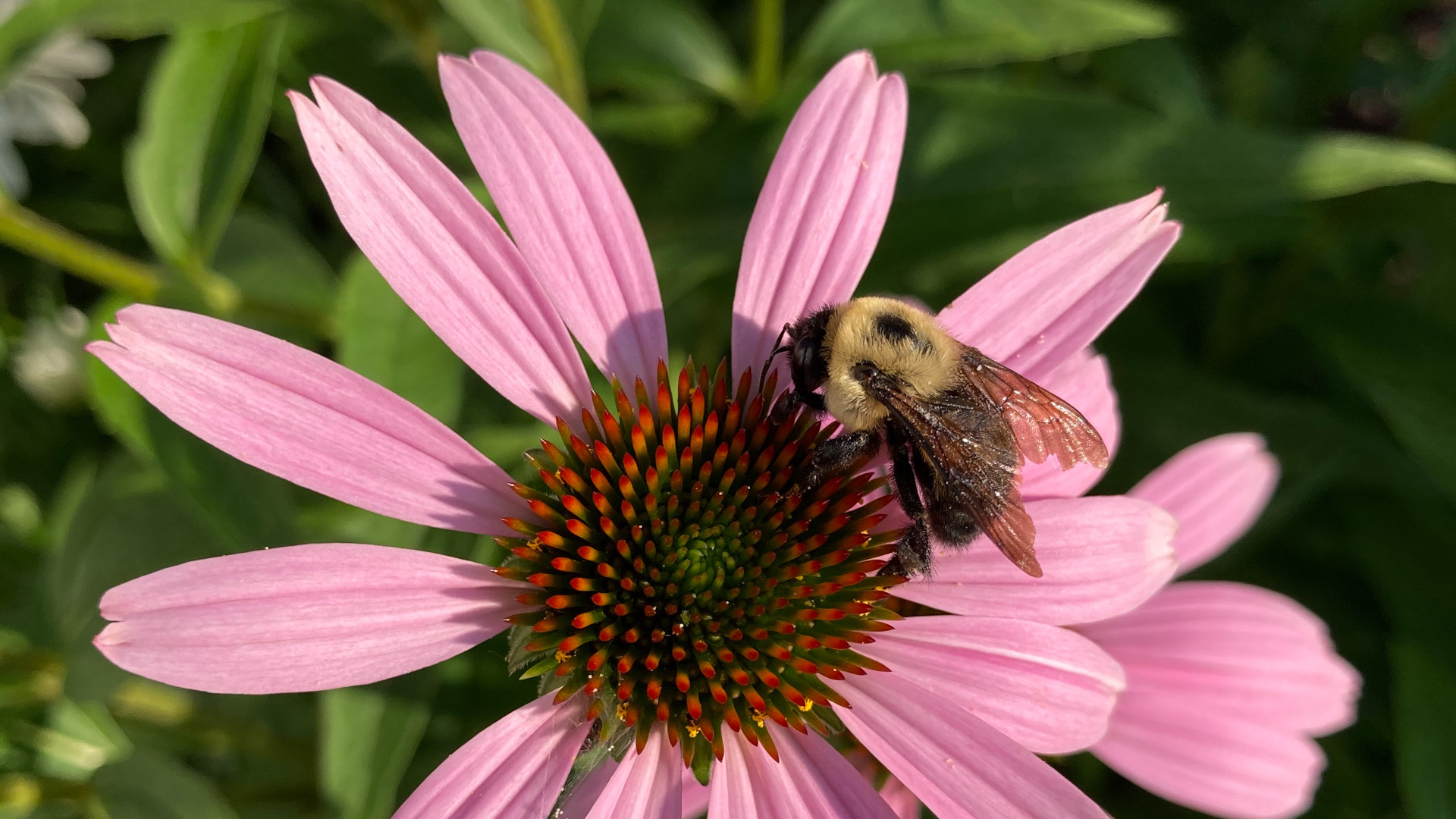
Insects are important to soil health and growing food. Soil engineering insects help create soil structure that is stable for water and nutrients. Decomposers eat organic material and unlock nutrients. Pollinators help many crops reproduce and yield fruits and vegetables. Then there are the pest controllers. These beneficial insects serve as natural enemies to pests and help suppress their populations through predation and parasitoidism. The paper wasp (above) and aphid wasp (below) are great examples of insects that keep pests at bay.
There are an estimated 5 million insect species. Of these, it is just a handful that happen to cause issues in the garden. In fact, insects can come in very handy when growing crops. Here are some resources that can help you manage them.
Our Favorite Resources
- Marion County SWCD – Native Plantings for Beneficial Insects and Pollinators
- Marion County SWCD – Wildflowers for Beneficial Insects
- Marion County SWCD – Beneficial Insects for Fruit and Vegetable Growers
- Purdue Extension – Entomology – Vegetable insects and their management
- Purdue Extension – Entomology – Fruit insects and their management
- Purdue Extension – Entomology – Pollinator Protection
- Purdue Extension – Entomology – Vegetable Insects E-65-W
- Purdue Extension – Entomology – Vegetable Insects: Managing Insects in the Home Vegetable Garden
- Purdue Extension – Entomology – Common Name and Order of 50 Insects
- Purdue Fruit & Veg IPM on Facebook
- Purdue Extension Plant and Pest Diagnostic Laboratory – The Purdue University Plant and Pest Diagnostic Laboratory works to diagnose plant diseases and identify insects, plants and weeds and other plant and pest problems. Fees may apply.
- Resource Guide for Organic Insects and Disease Management – This is a great all-around guide for insect management on organic farms and gardens from Cornell University.
- eOrganic – Insect Management in Organic Farming Systems – This website, hosted by Oregon State University, contains an excellent list of links and videos.
- ATTRA – Insect Management Publications
- Xerces Society – Beneficial Insect Scouting Guide
- Xerces Society – Habitat Planning For Beneficial Insects / Guidelines for Conservation Biological Control
- Xerces Society – Beneficial Insect Habitat Assessment Form and Guide
- SARE – A Whole Farm Approach to Managing Pests
- SARE – Cover Cropping for Pollinators and Beneficial Insects
- SARE – Identification Key to Major Beneficials and Pests
- Midwest Vegetable Production Guide for Commercial Growers (ID-56) – Current pesticide information.
- DriftWatch and BeeCheck
- Pollinator Partnership: Bee Friendly Farming
Don’t forget that one of the keys to insect management is in the soil. Adequate plant nutrients and soil moisture, including favorable soil pH and healthy soil, can reduce plant stress, improve plant vigor and increase the plant’s overall ability to tolerate pests. Soil Health = Plant Health.
Consider following the PAMS method as a foundation for your insect management strategy.
- Prevention – Activities such as cleaning equipment and gear when leaving an infested area, using pest-free seeds and transplants, using exclusion netting, and irrigation and watering scheduling and methods to limit situations that are conducive to disease development.
- Avoidance – Activities such as maintaining healthy and diverse plant communities, using pest-resistant varieties, and crop rotation.
- Monitoring – Activities such as pest scouting and weather forecasting to help target suppression strategies.
- Suppression – Activities such as the judicious use of cultural, mechanical, biological, and chemical control methods that reduce or eliminate a pest population or its impacts while minimizing risks to non-target organisms.
- IU Center for Urban Health – Resource for Soil Testing Lead
- IU Indianapolis Center for Urban Health: Soil Testing for Lead
- Indiana Department of Environmental Management – What’s in My Neighborhood? Information + Online Map
The following EPA document contains helpful recommendations for gardening, especially the information in Table 1 and Table 3. Follow the link to obtain the PDF.
- U.S. Environmental Protection Agency. (2014, May). Technical review workgroup recommendations regarding gardening and reducing exposure to lead-contaminated soils (OSWER 9200.2-142). Office of Solid Waste and Emergency Response.
Resource: Soil Testing for Small Farms and Gardens (pdf)
Developed in partnership with the USDA-NRCS Indiana, Marion County SWCD, and Indiana Small Farm Conservation.
Soil testing is the process of sampling and analyzing a soil’s nutrient and other chemical levels. With information gathered from a soil test, farmers and gardeners can better understand their soil’s properties and make informed agronomic decisions. The information provided within this document is focused on nutrient testing typical garden soils. Additional considerations may be needed for soil testing in high organic matter soils, raised beds, contaminated soils, or to gain knowledge on the biological and physical health of your soil.
Benefits of Soil Testing include:
• Determines pH levels (lime or sulfur needs)
• Determines nutrient levels in the soil
• More efficient fertilizer use
• Provides a decision-making tool for nutrient application and management
• Potential for higher-yielding crops
• Potential for higher-quality crops
• Maintain and improve soil, water, air and plant nutrients
The Marion County SWCD does not perform soil test analysis. For a “how to” on how to test your soil, please refer to the document above. Please let us know if you have any questions. For soil contamination testing, visit the Soil Contamination section of the Soil Health page.
- Purdue Extension HO-200-W Container and Raised Bed Gardening (pdf) – Guidance and recipe for raised beds.
Conservation Material Sourcing
The Marion County Soil & Water Conservation District provides this directory as a resource to help Indiana landowners and producers locate sources for conservation-related materials. Visit the directory here.
Soil Health Systems and Organic Resources
- Carbon and nitrogen C:N (pdf) – Helpful in understanding carbon to nitrogen ratios in cropping systems
- ATTRA Sustainable Agriculture (link) – Information on various topics, written by sustainable agriculture specialists
- Rotational no-till and mulching systems for organic vegetable farms (webinar) – Excellent webinar by Jan-Hendrik Cropp
- Soil health background (NRCS)
Climate
Permaculture, Food Forests, and Agroforestry
- NACD Permaculture Report (pdf) – Marion County SWCD & Williams Creek Consulting – Design templates for urban lots
- University of Missouri – Center for Agroforestry (link)
- USDA National Agroforestry Center

This work is supported by the Marion County SWCD, the USDA Natural Resources Conservation Service, Clean Water Indiana, and North Central SARE. This material is based upon work that is supported by the the National Institute of Food and Agriculture, U.S. Department of Agriculture, under agreement number 2024-38640-42989 through the North Central Region SARE program under project number ENC24-233. USDA is an equal opportunity employer and service provider. Any opinions, findings, conclusions, or recommendations expressed in this publication are those of the author(s) and do not necessarily reflect the view of the U.S. Department of Agriculture.