
According to a 2025 Arbor Day Foundation’s Harris Poll Tree Canopy 2025 survey, 95% of Americans find value in trees, and 87% say that trees and green spaces have a noticeable impact on their mental well-being. While the value of trees is often viewed primarily from the perspective of parks and forests, trees are also extremely beneficial in cities and towns across the country.
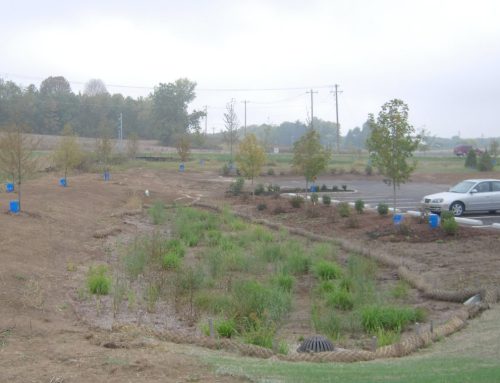
As urban areas continue to grow, many of our storm sewer systems become overloaded and streams flood more often, requiring us to rethink how we manage larger rainfall events. Green infrastructure uses a variety of practices to decrease runoff while improving water quality. While no one green practice will alleviate all of our stormwater problems, working in combination with each other and maintaining gray infrastructure will go a long way to decrease the load.
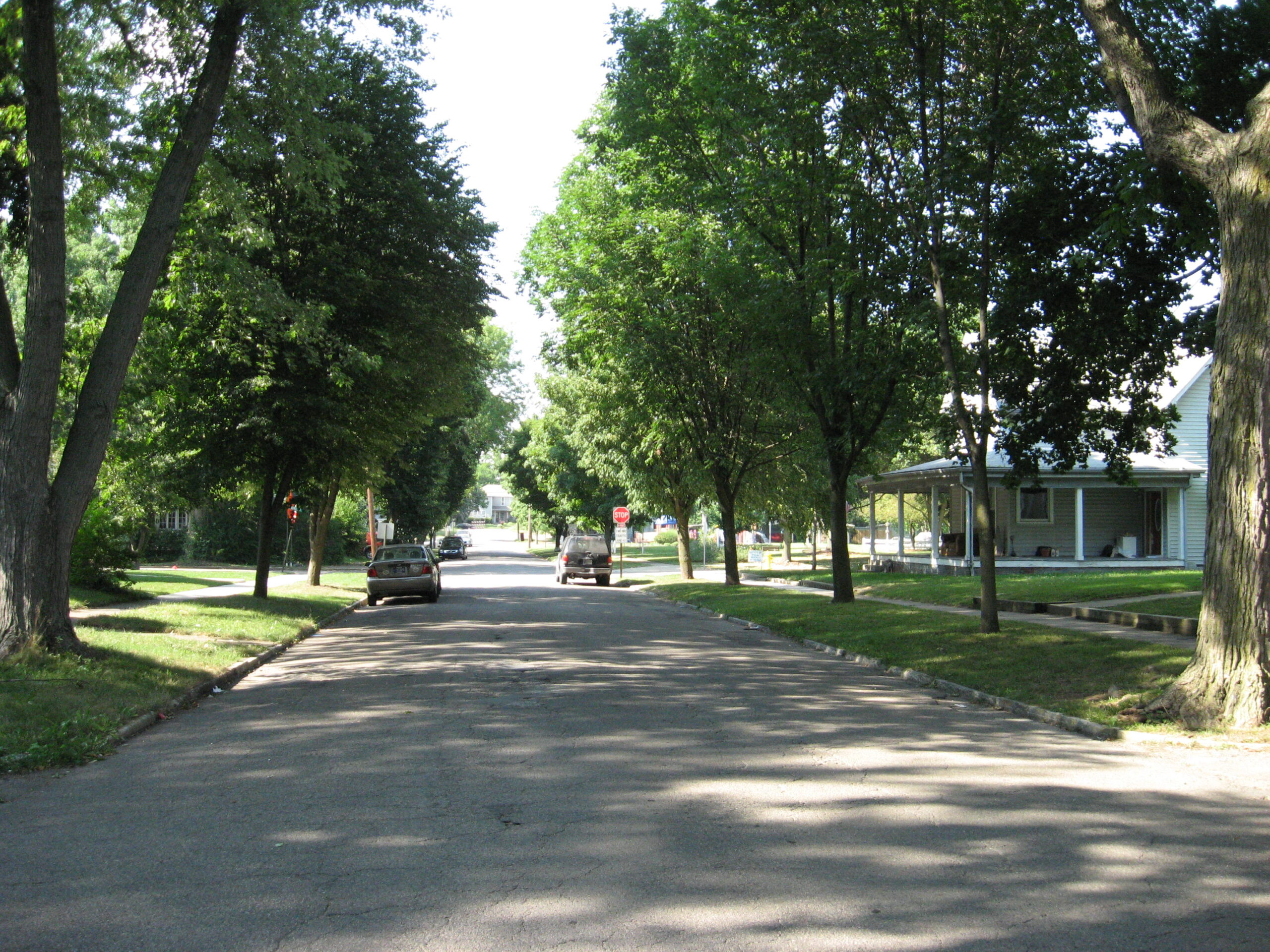
One of the least considered practices is the use of urban forests and street trees. Mature trees, properly planned, planted, and cared for, can become an integral part of the stormwater management plan for urban areas. In addition to their aesthetic, air purifying, and temperature reducing benefits, tree leaf canopies can also be effective in reducing pollution and stormwater runoff by:
- Decreasing erosion as leaves intercept and slow the rate of raindrops (think of running under trees for protection from an unexpected shower).
- Increasing evaporation – as leaves provide surface area for water to collect.
- Roots increase the capacity of the soil to accept water by both breaking up clay soils and taking up water from the soil.
- Trees can improve water quality by taking up pollutants and reducing their harmful effects.
Large trees provide substantially increased benefits compared to young small trees, but in order for trees to reach their full potential, health and size, site planning must take their needs into consideration. Overcrowding, compacted soils, lack of moisture, and inadequate soil volume impede tree growth, harming their overall health and longevity. Today, we have innovative solutions to these problems, which will allow even the most challenging urban sites to grow healthy trees that will thrive and last for decades.
For more information, visit these sites:
“Soak up the Rain” U.S. Environmental Protection Agency
“Tame Stormwater” Arborday.org
NOTE! Autumn is the best time to plant trees and shrubs – check out what native plants are now available. Some Soil & Water Conservation Districts are hosting fall tree sales, including Hamilton County. Check them out soon!