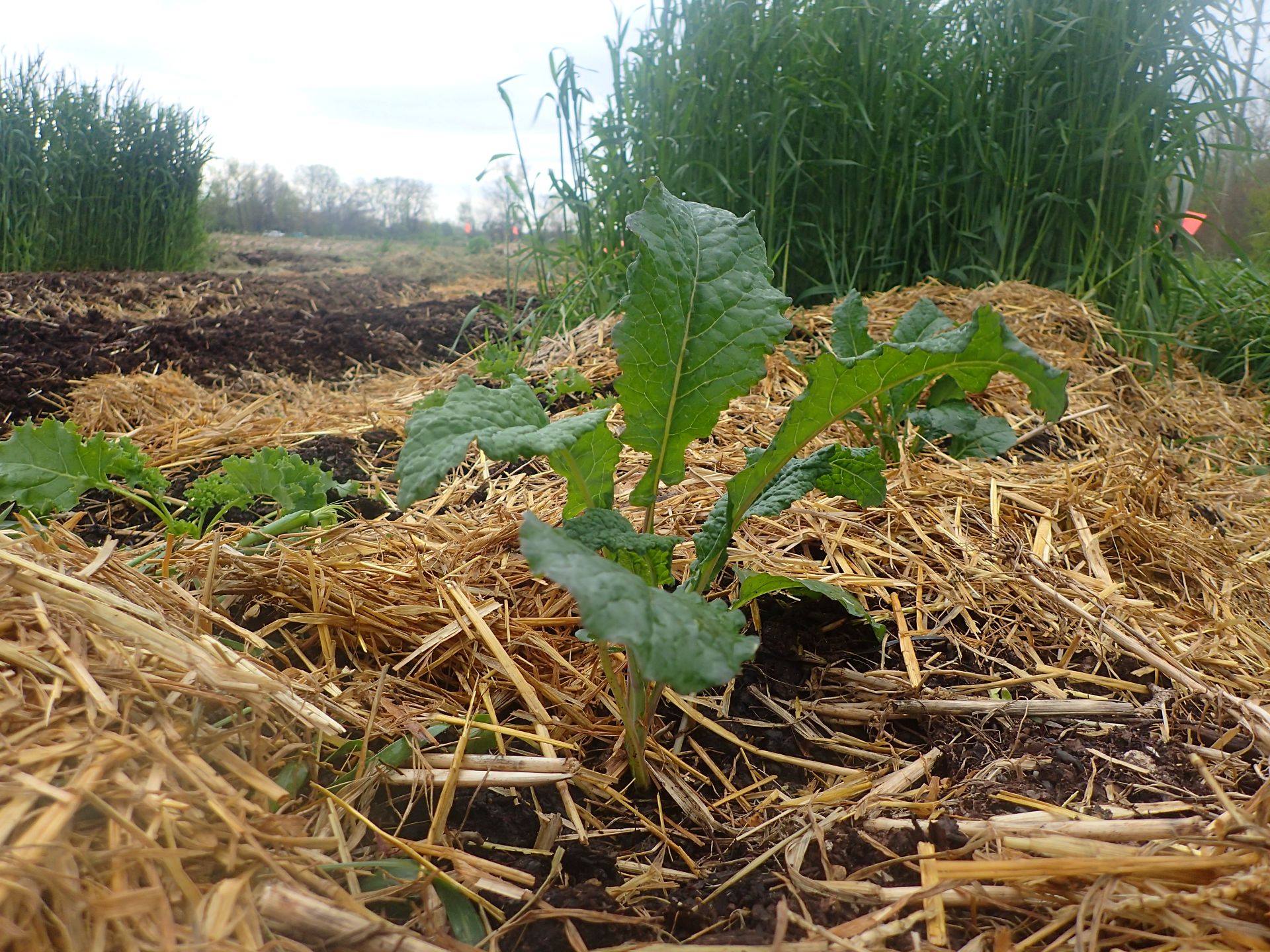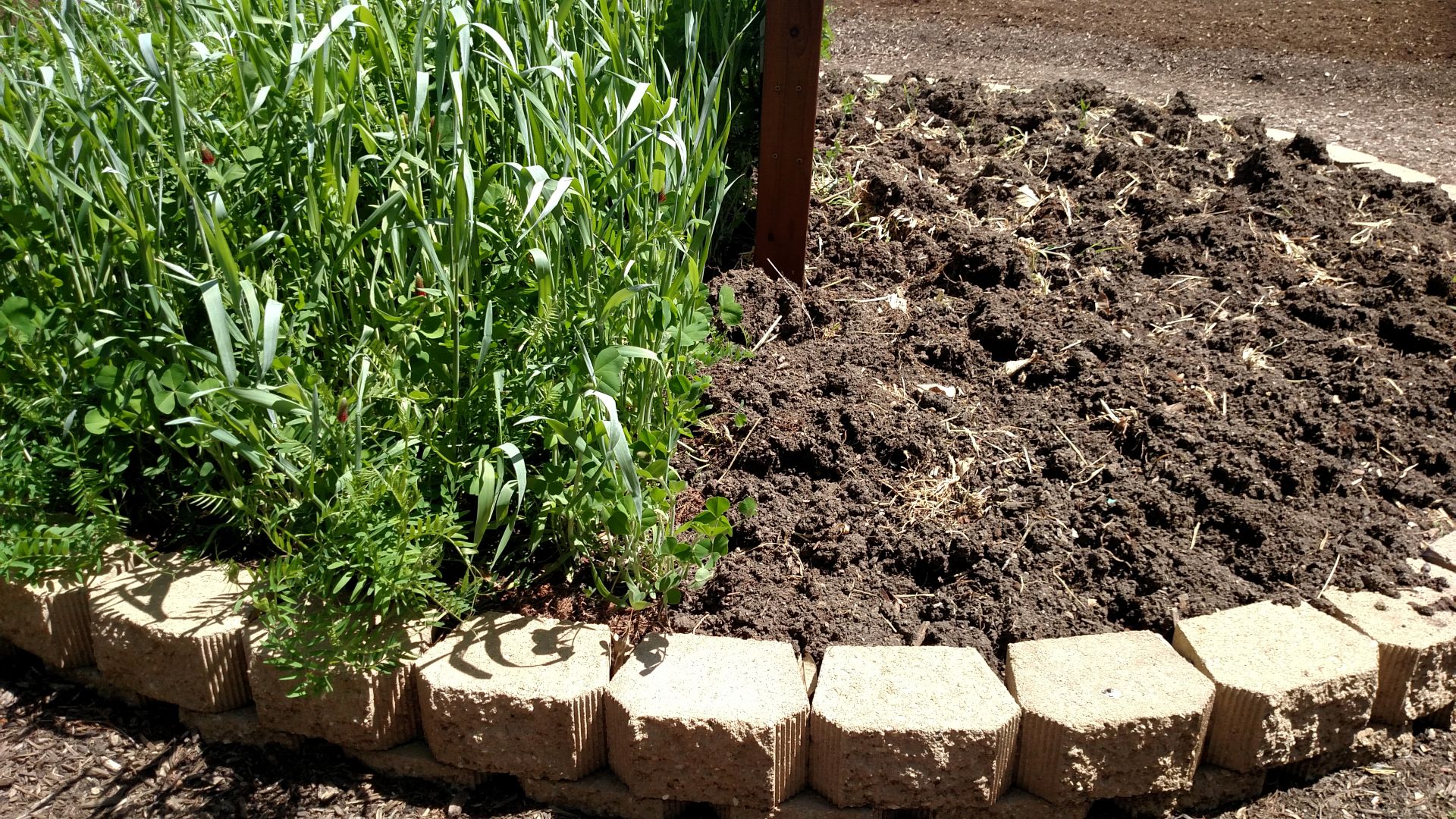

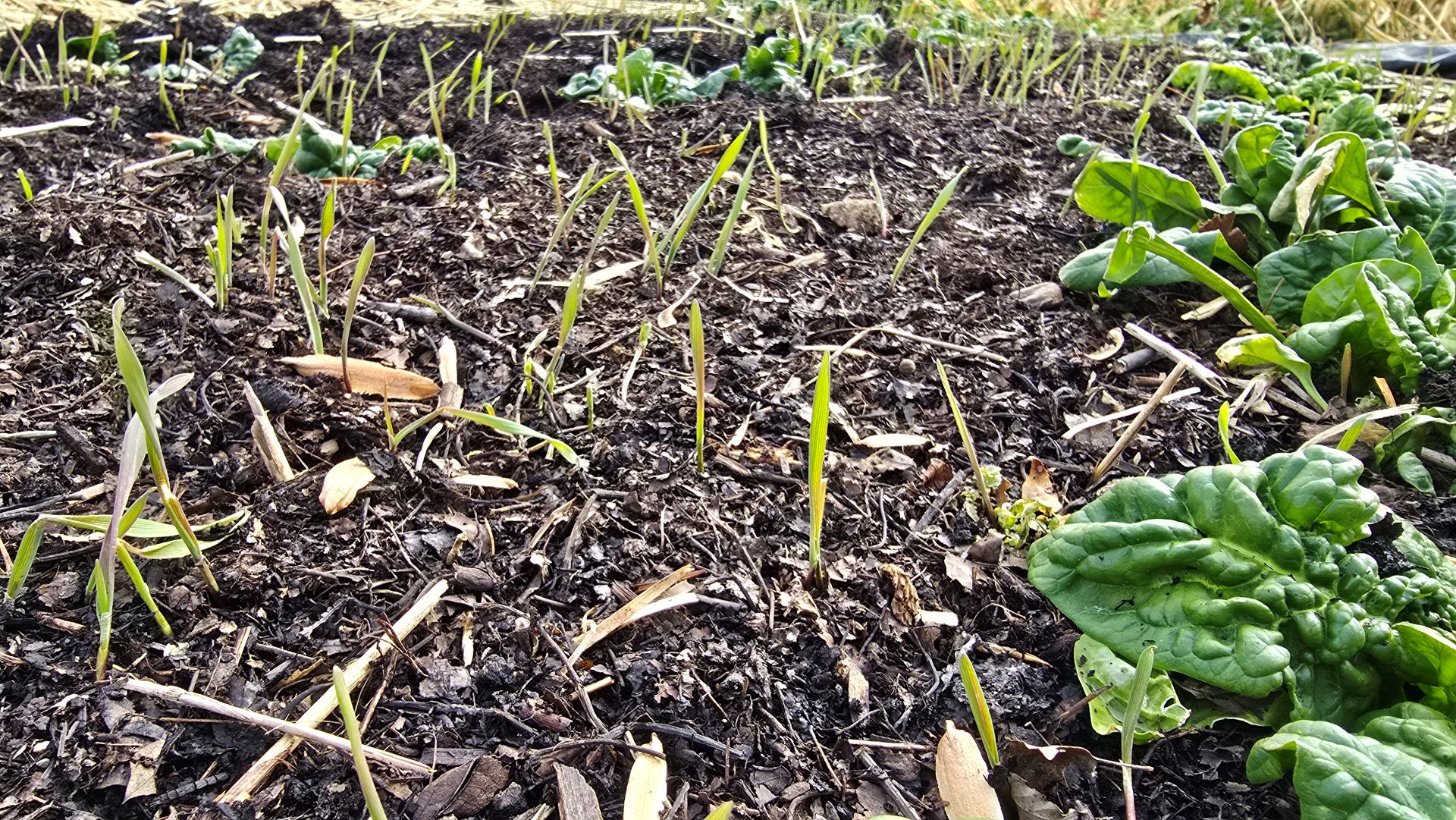
Cereal rye is an overwintering grass / grain cover crop. It is most commonly planted in fall or early winter. It can be handy as cereal rye can be planted later than most cover crops. Cereal rye often grows a little in fall and stays green in winter. In the spring, as temperatures rise, cereal rye can grow vigorously and produce a lot of vegetation and biomass. Make sure to have a plan to terminate the cover crop completely before planting your next crop.
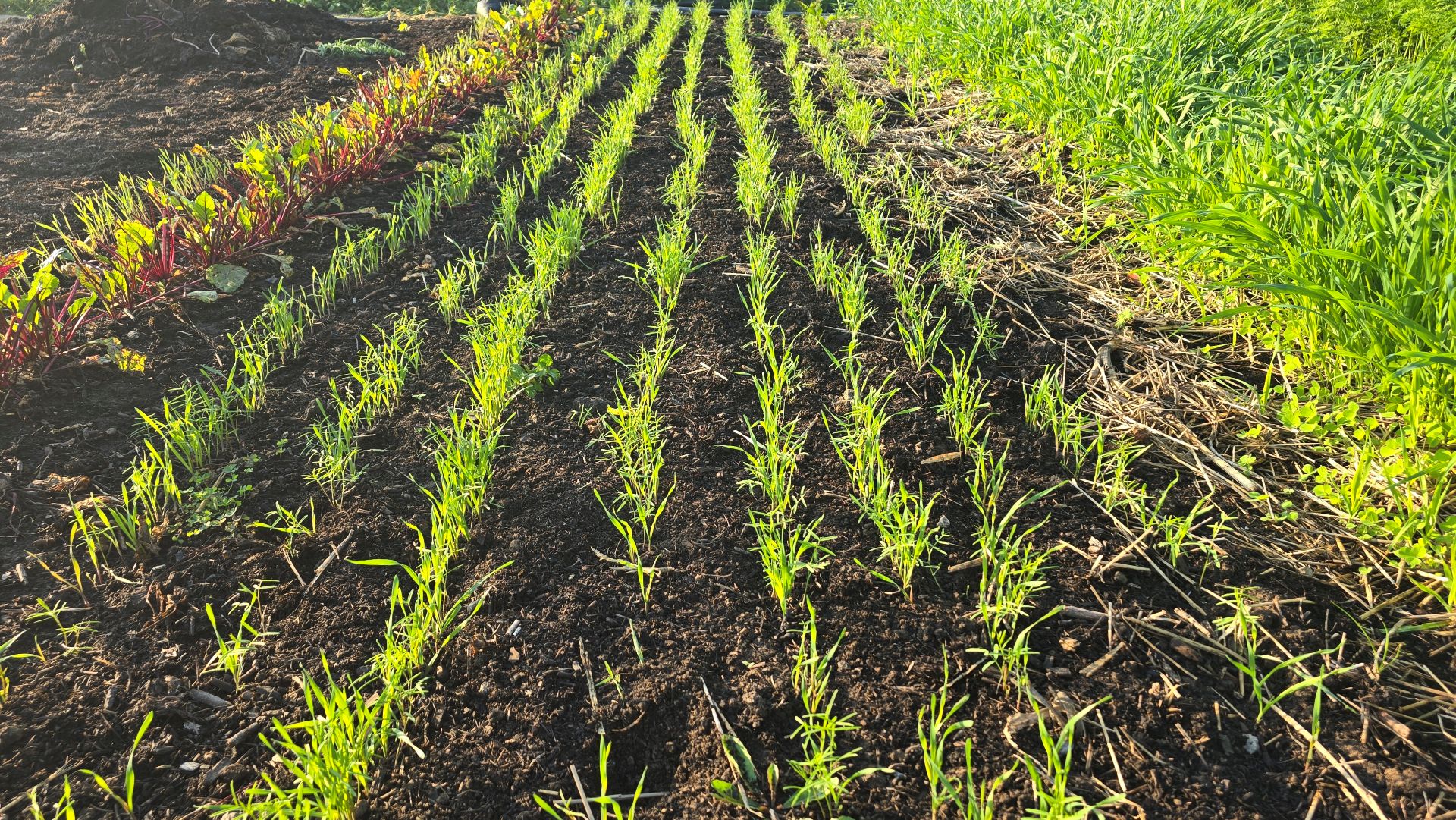
This bed was planted with a garden seeder. The seed can also be broadcast.
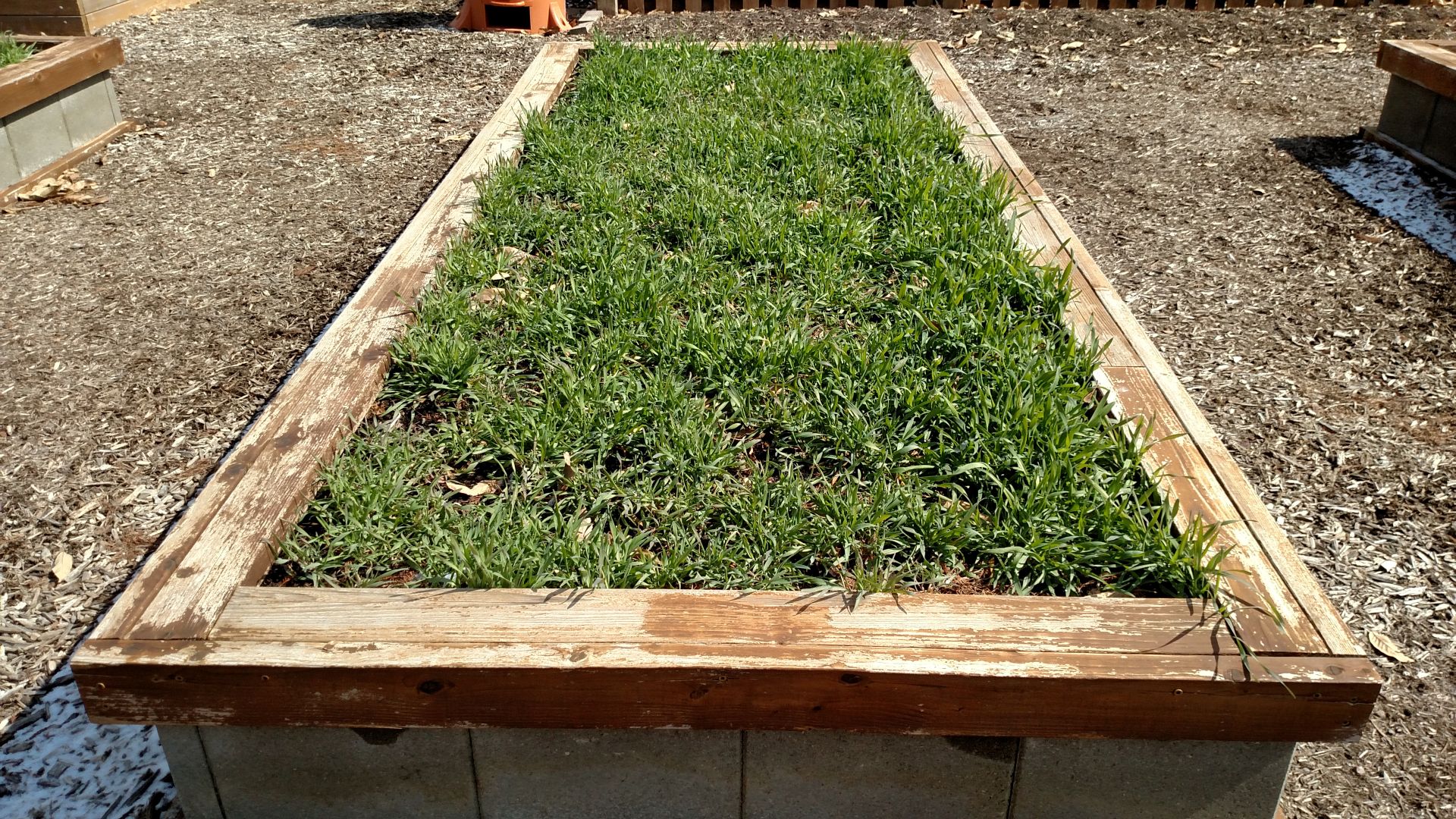
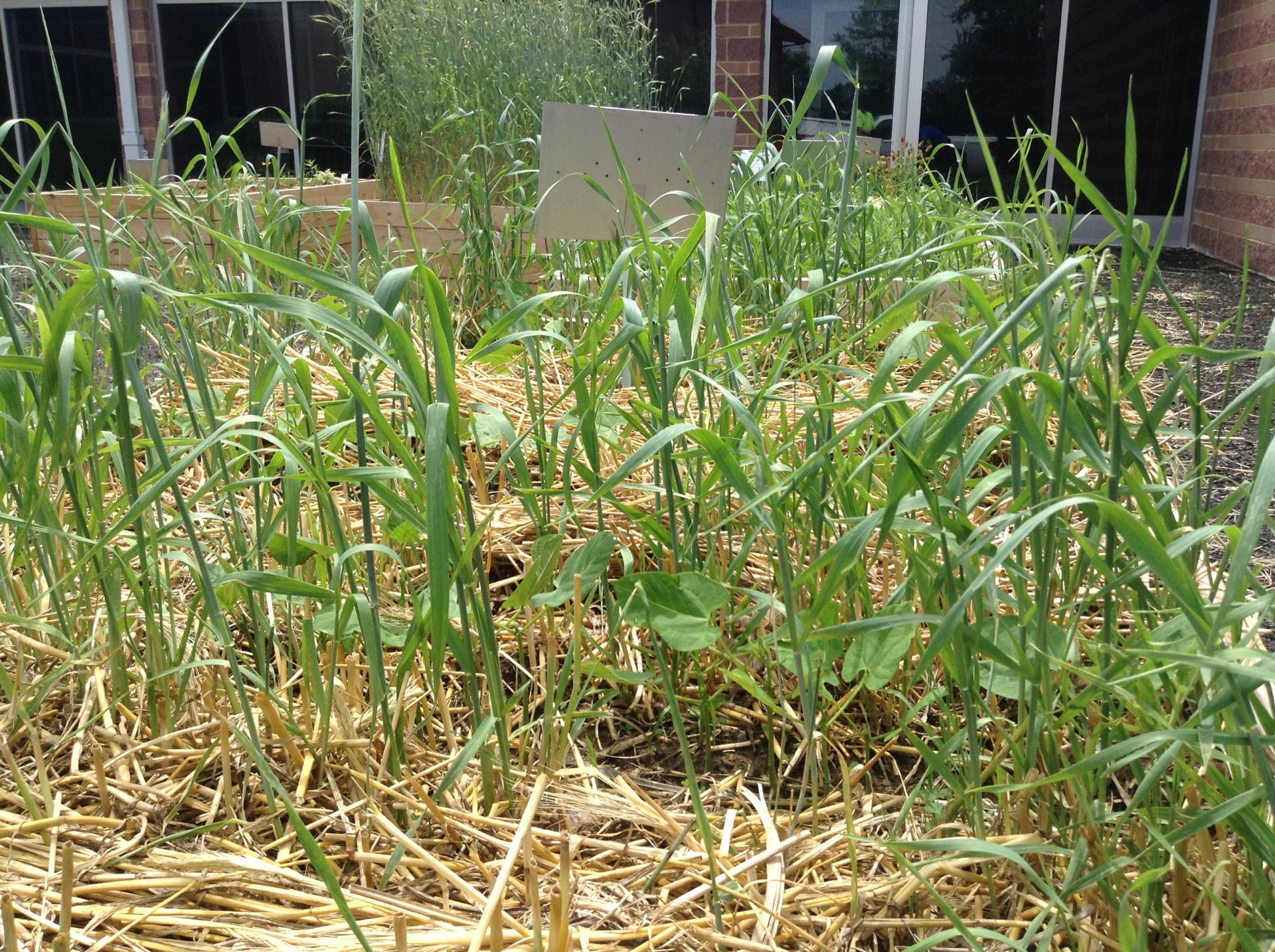
Cereal rye planted in fall in a raised bed.
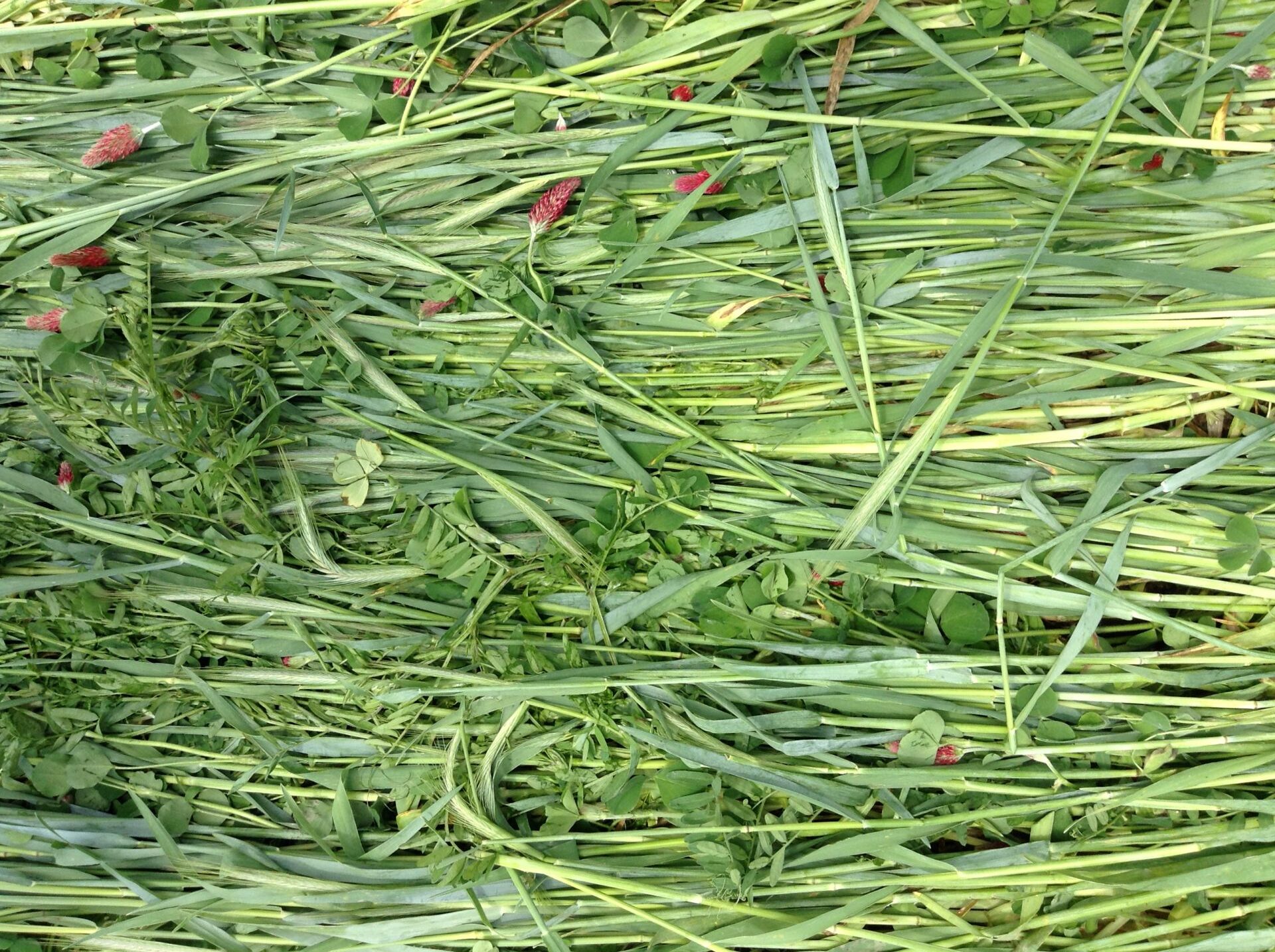
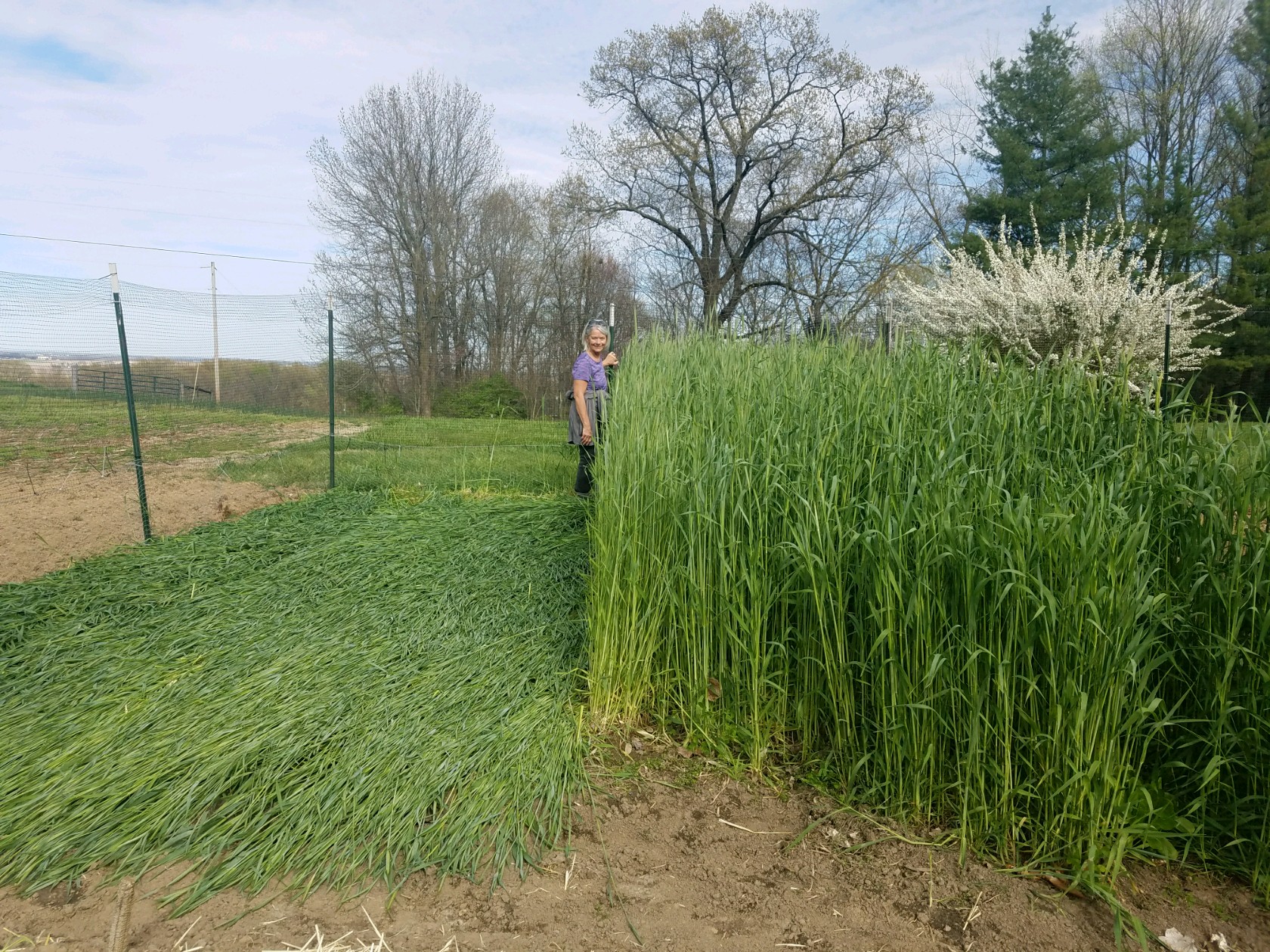
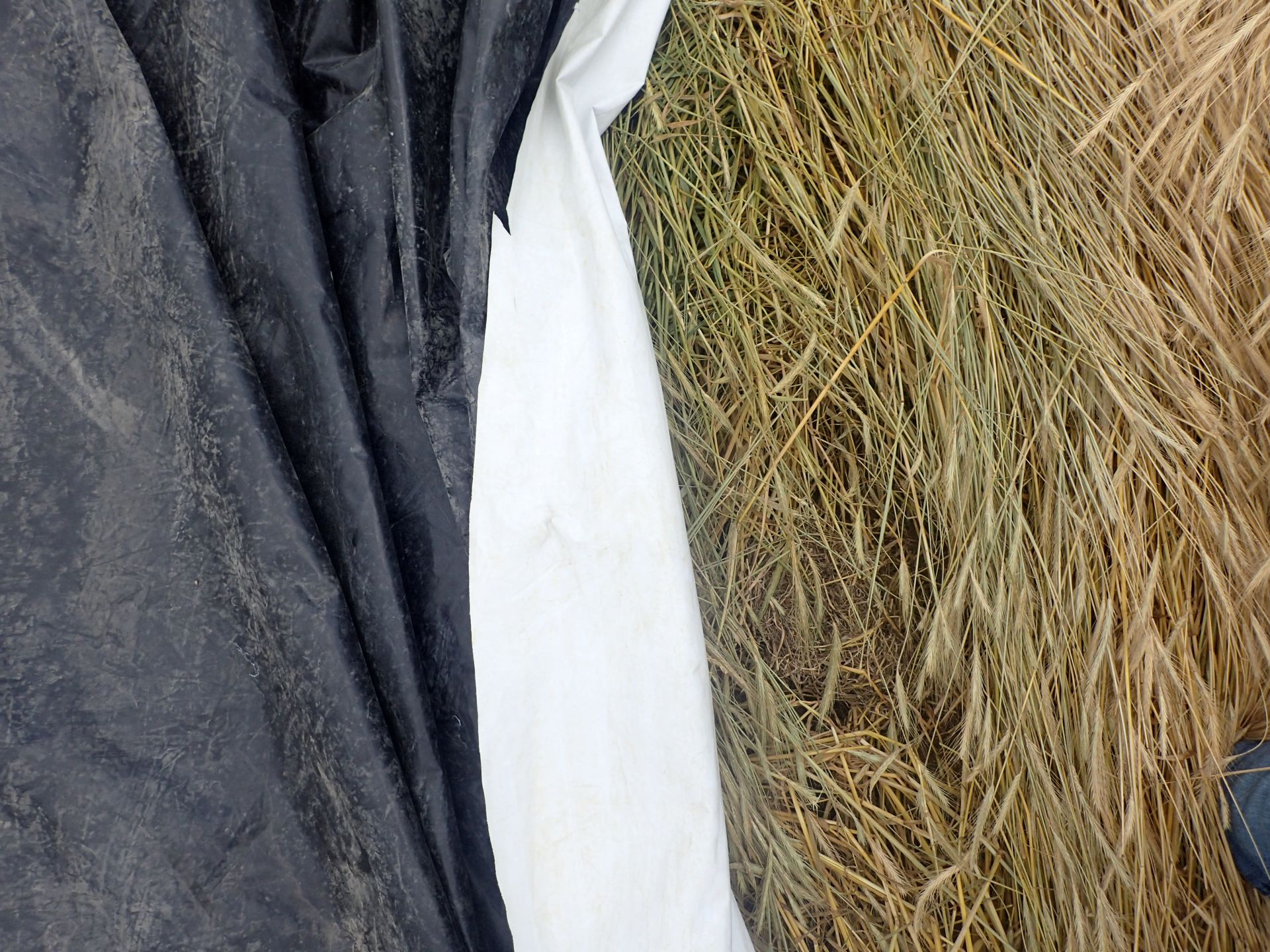
This high biomass mix has been pressed over by crimping. Without large, heavy equipment such as tractor-based roller crimpers, foot crimping alone often does not fully terminate cover crops, especially legumes. If left alone, the hairy vetch and crimson clover legumes would grow out of this mat and potentially outcompete future crops. This is a great time to tarp to block the sunlight and fully terminate the cover crop stand.
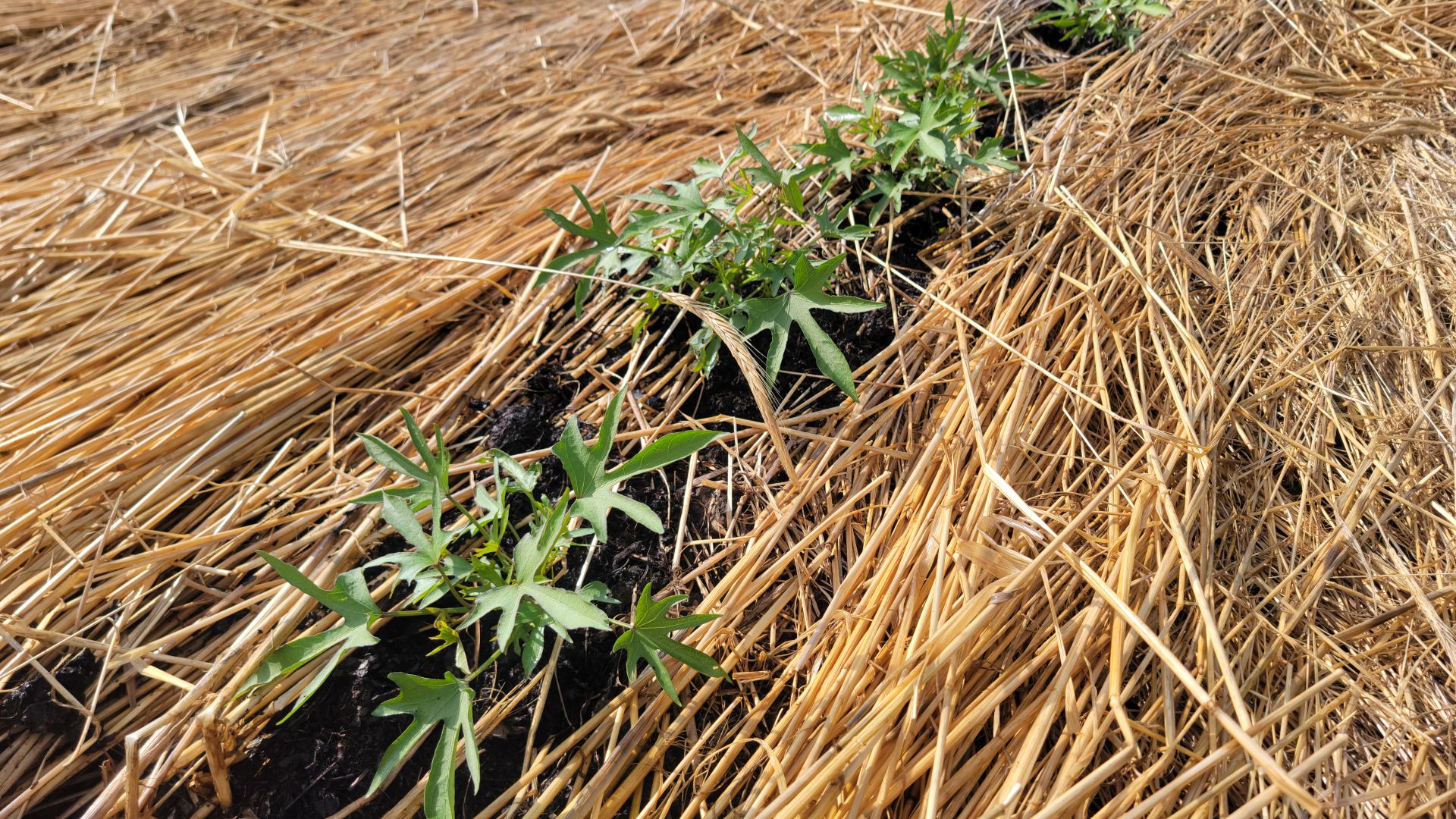
Cereal rye > Sweet Potatoes
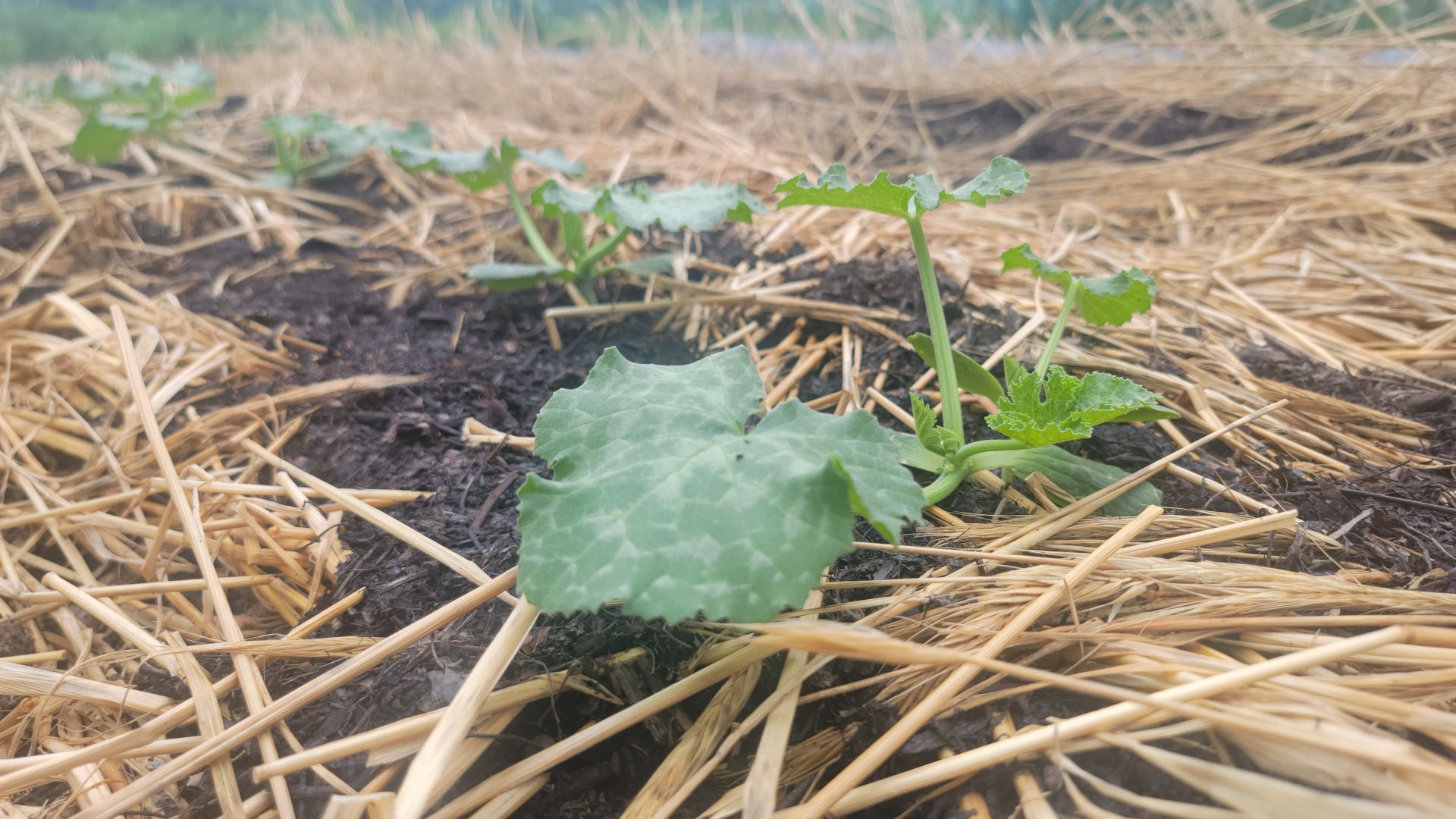
Cereal rye > Summer squash
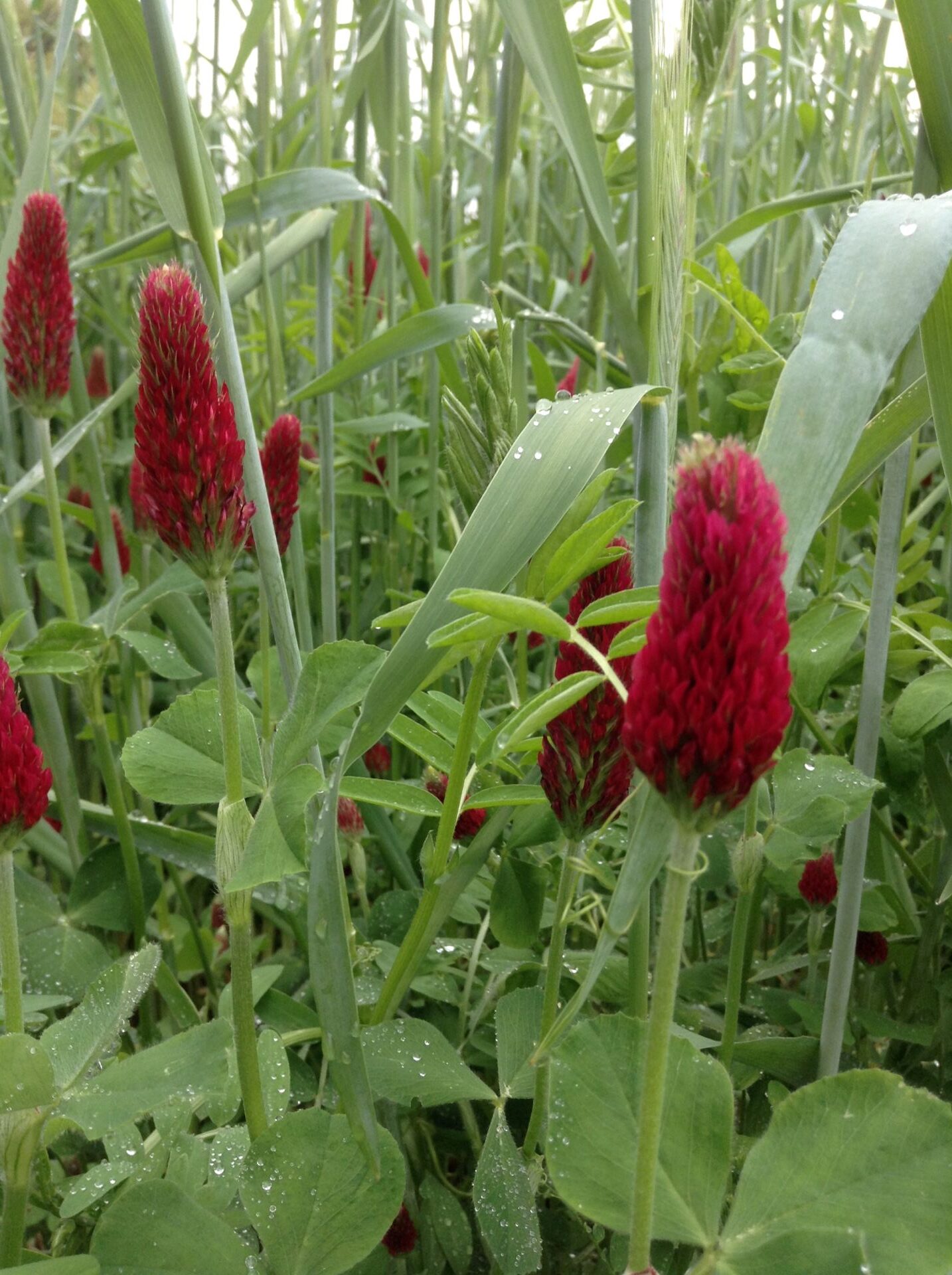
High biomass mix with crimson clover in flower.
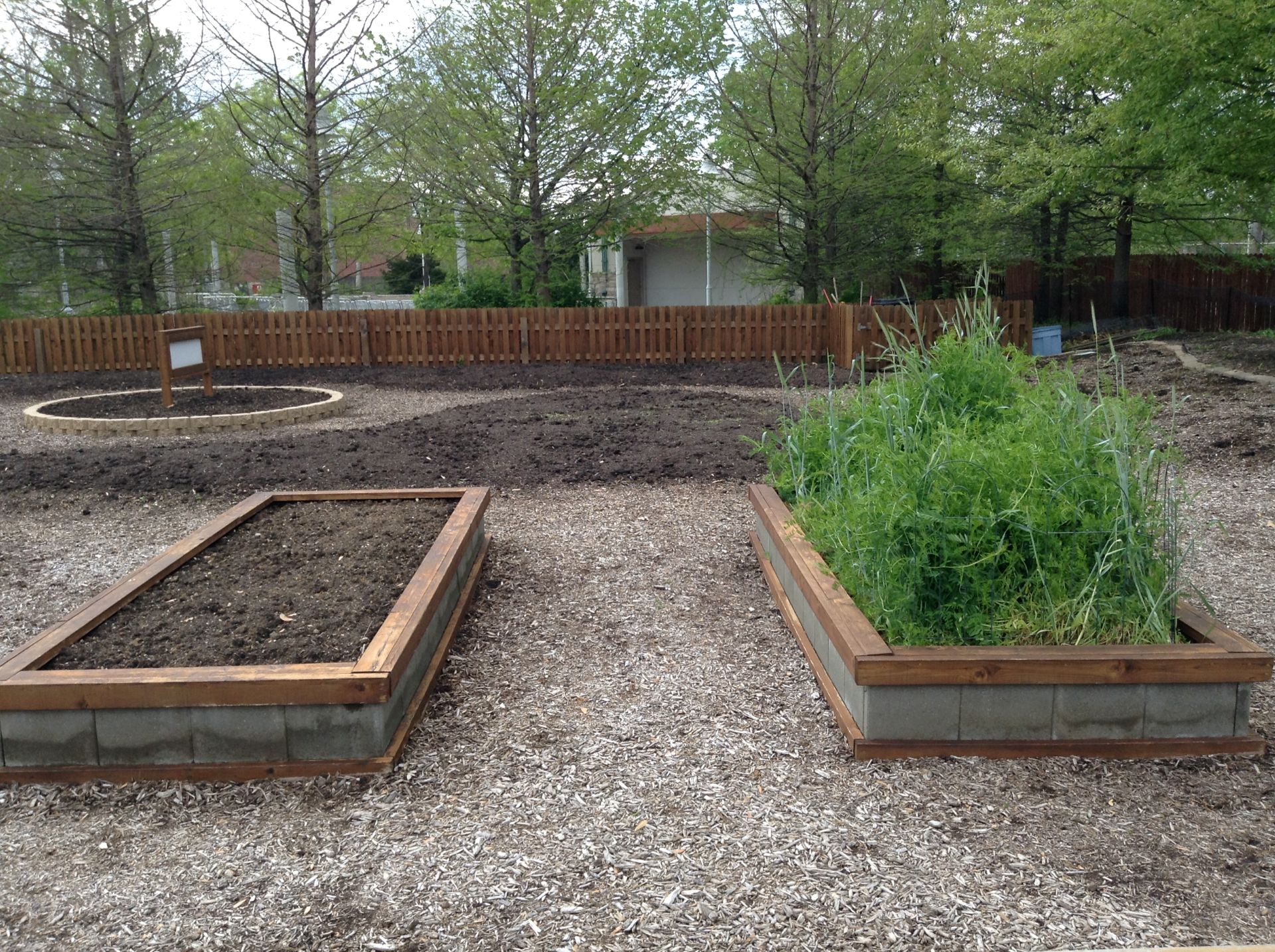
A different aesthetic for sure. The cover crops increase photosynthesis and biological activity at the Marion County – Purdue Extension Master Gardeners demonstration garden at the Indiana State Fair.